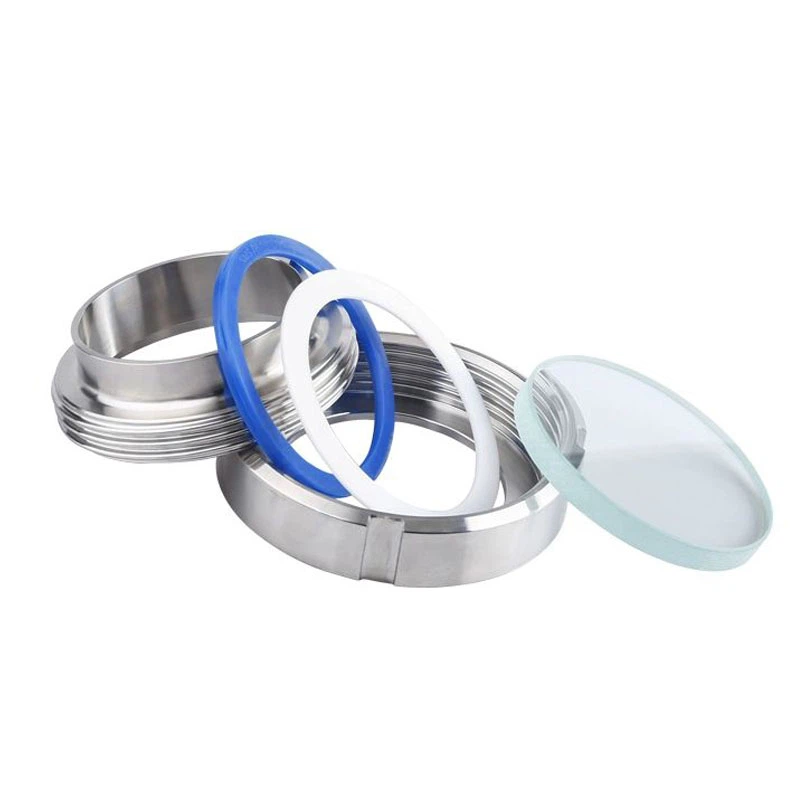
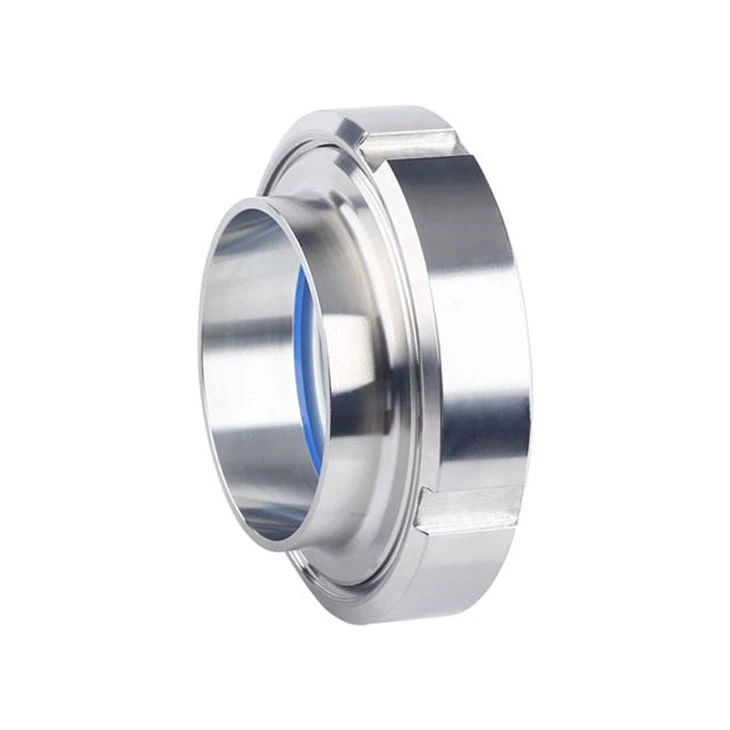
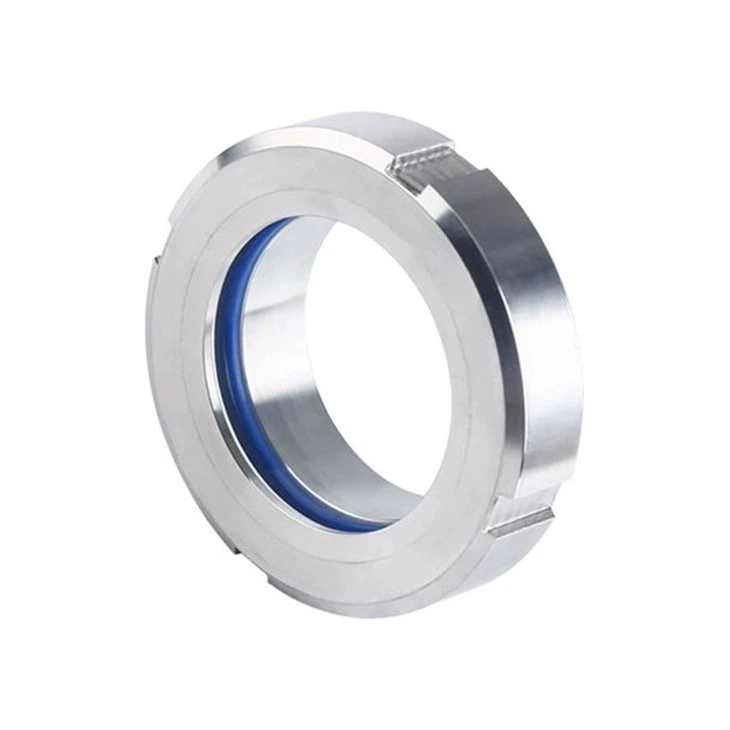
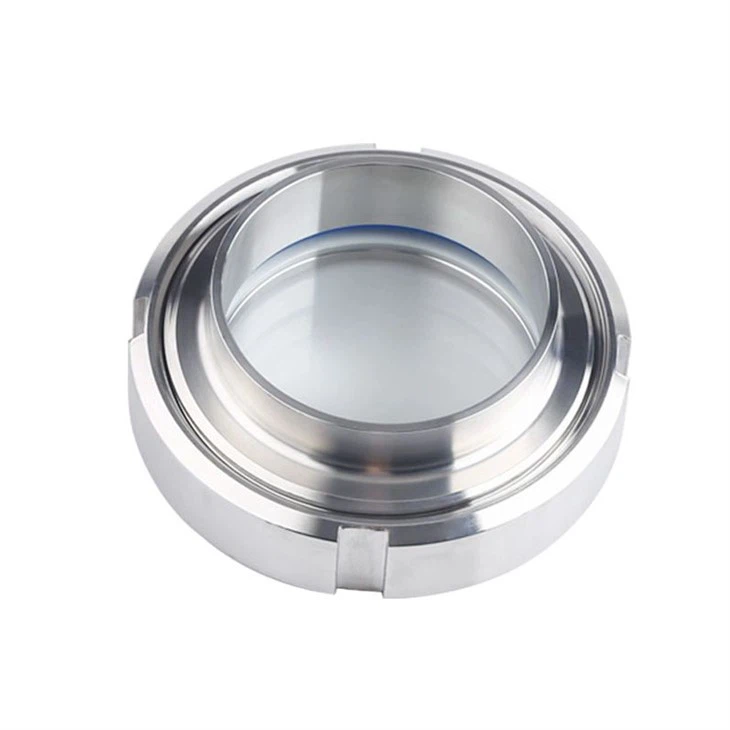
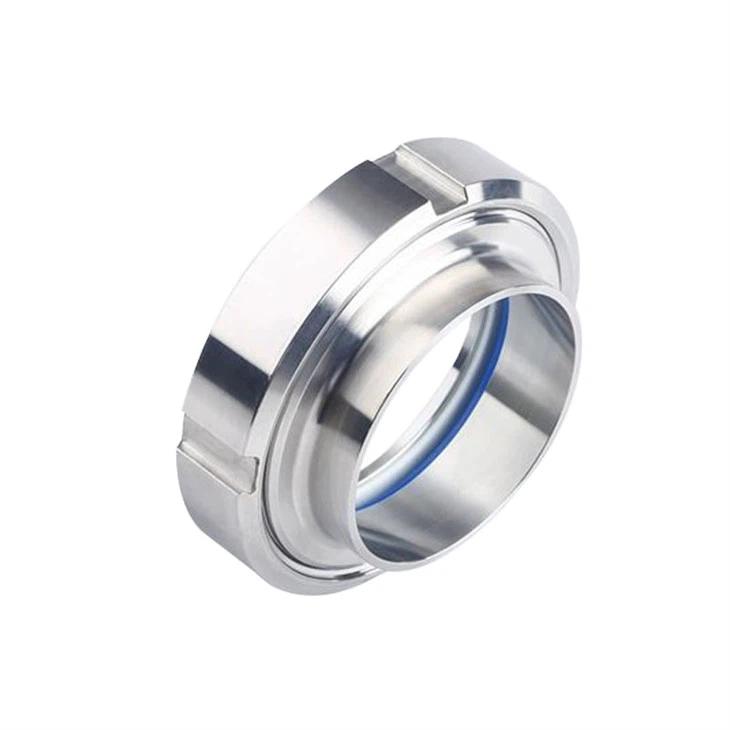
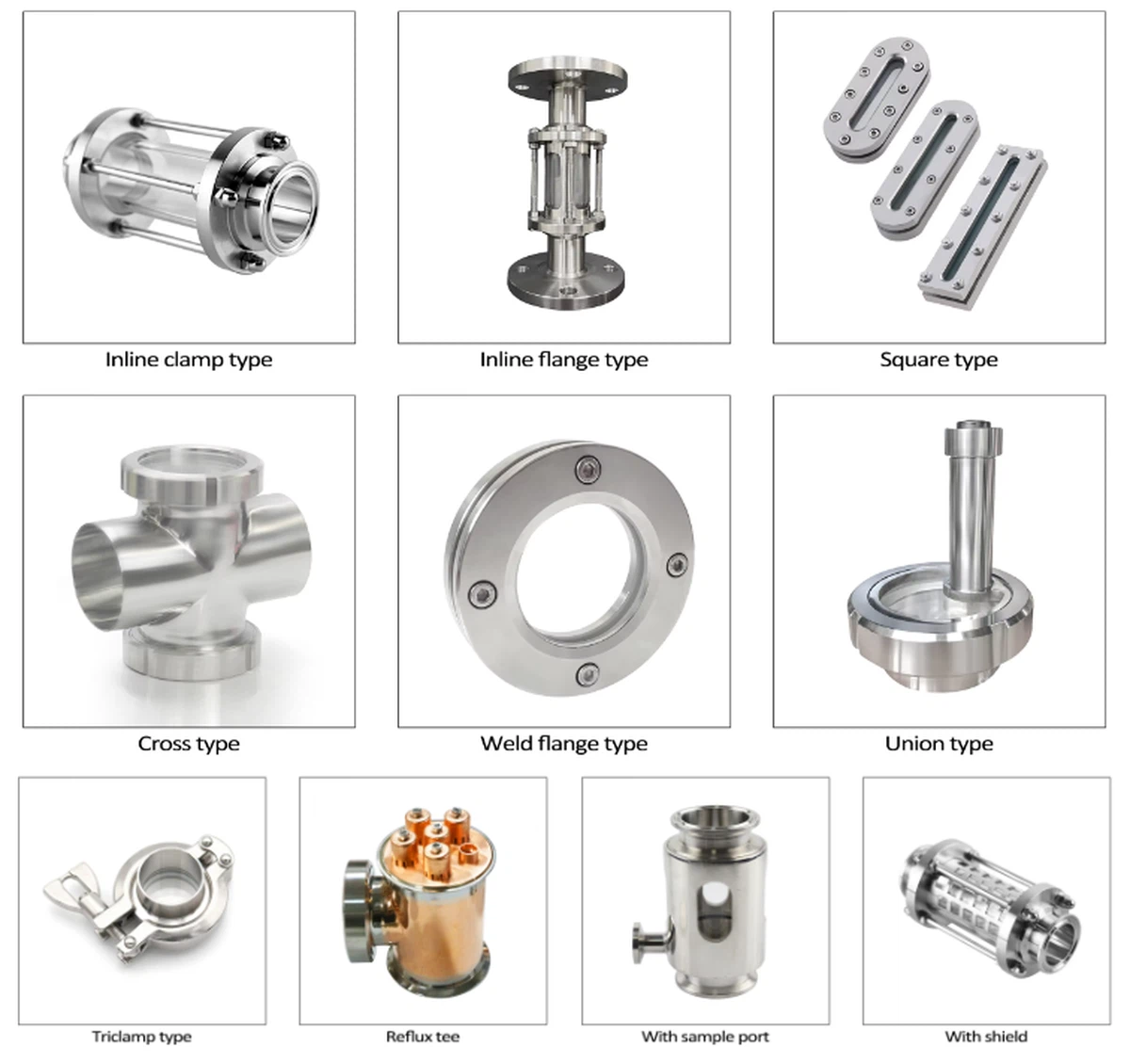
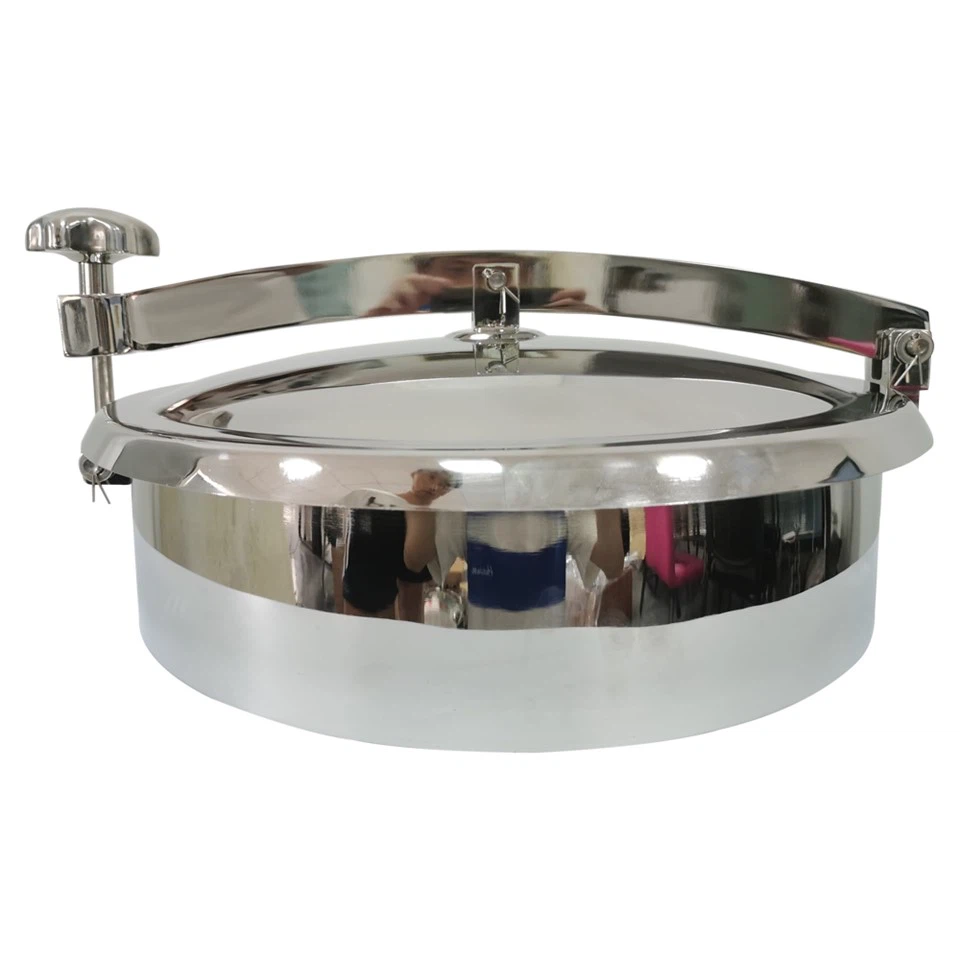
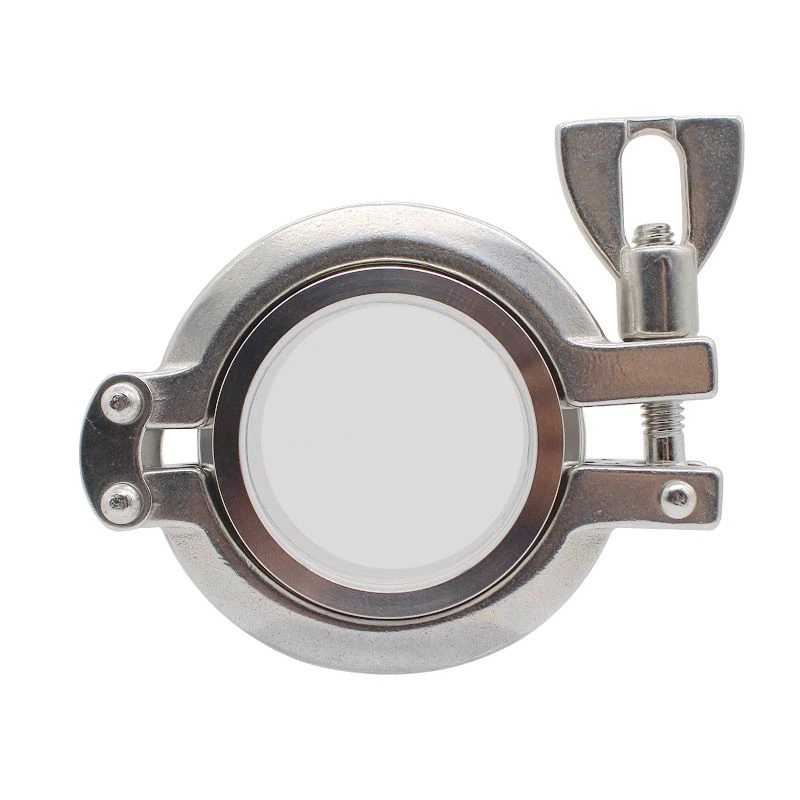
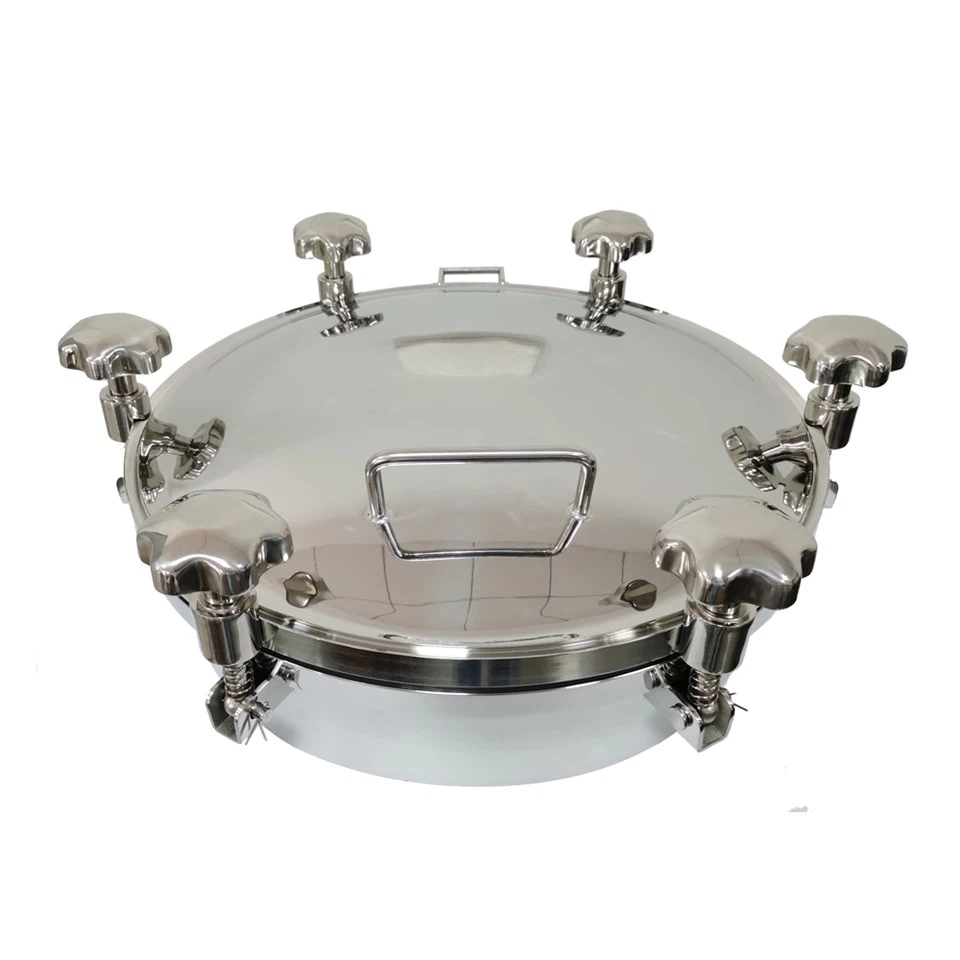
Union sight glass is a critical component of many industrial processes. It is a type of glass that is designed to withstand high temperatures and pressure and is used to monitor fluid levels in tanks, reactors, and other vessels in industrial settings. The glass is mounted onto the side of the vessel and allows operators to visually inspect the level of the fluid or other material within it. This essay will explore the history and use of union sight glass, its benefits, and some of the challenges associated with its use.
The story of union sight glass dates back to the early days of the industrial revolution. In the early nineteenth century, steam power was gaining popularity as a means of powering machinery. However, the management of steam pressure was a significant challenge, as the available technology for controlling it was limited. The safety risks associated with high-pressure steam meant that it was critical to maintain the correct levels of water in the boilers to avoid catastrophic failure.
To address this problem, the concept of a sight glass was developed. Initially, these were made of glass tubes that were fitted onto the boilers to allow operators to see the water level inside. However, these early sight glasses were fragile and prone to breakage, which could cause leaks and pose significant safety risks.
In the 1870s, a British engineer named James Watt Jr. developed the union sight glass. This design featured a glass cylinder held in place by a metal frame, which was then bolted to the vessel. The union sight glass was more robust than previous designs, and it quickly became widely used in industrial applications. Today, union sight glass remains a critical component in many industrial processes.
One of the main advantages of union sight glass is its ability to withstand high temperatures and pressure. This makes it ideal for use in a wide range of industrial applications, including chemical processing, pharmaceutical production, and food and beverage manufacturing. The glass is also resistant to corrosion, making it ideal for use in harsh environments.
Another benefit of union sight glass is its ease of use. Operators can visually inspect the contents of the vessel without the need for complex monitoring equipment. This allows for quick and straightforward monitoring of the process, which can help to maintain product quality and ensure that the process is running efficiently.
Despite its many advantages, union sight glass does have some limitations and associated challenges. One of the main challenges is the risk of breakage. If the glass is damaged or breaks, it can lead to leaks and potentially dangerous situations. For this reason, union-site glass must be carefully maintained and inspected on a regular basis.
Another challenge associated with the use of union sight glass is the potential for clouding or frosting on the glass surface. This can occur when the fluid inside the vessel is at high temperatures, causing condensation to form on the glass surface. This can interfere with visibility and make it difficult to monitor the process accurately. To address this issue, special coatings can be applied to the glass surface to prevent it from fogging up.
In conclusion, union sight glass is a vital component in many industrial processes. Its ability to withstand high temperatures and pressure makes it ideal for monitoring fluid levels in a wide range of vessels. Despite some of the challenges associated with its use, the benefits of union sight glass make it an essential tool in the ongoing development and advancement of industrial processes. The continued evolution of this technology is sure to have a significant impact on the manufacturing industry in the coming years, helping to ensure the safe and efficient production of goods across a wide range of sectors.