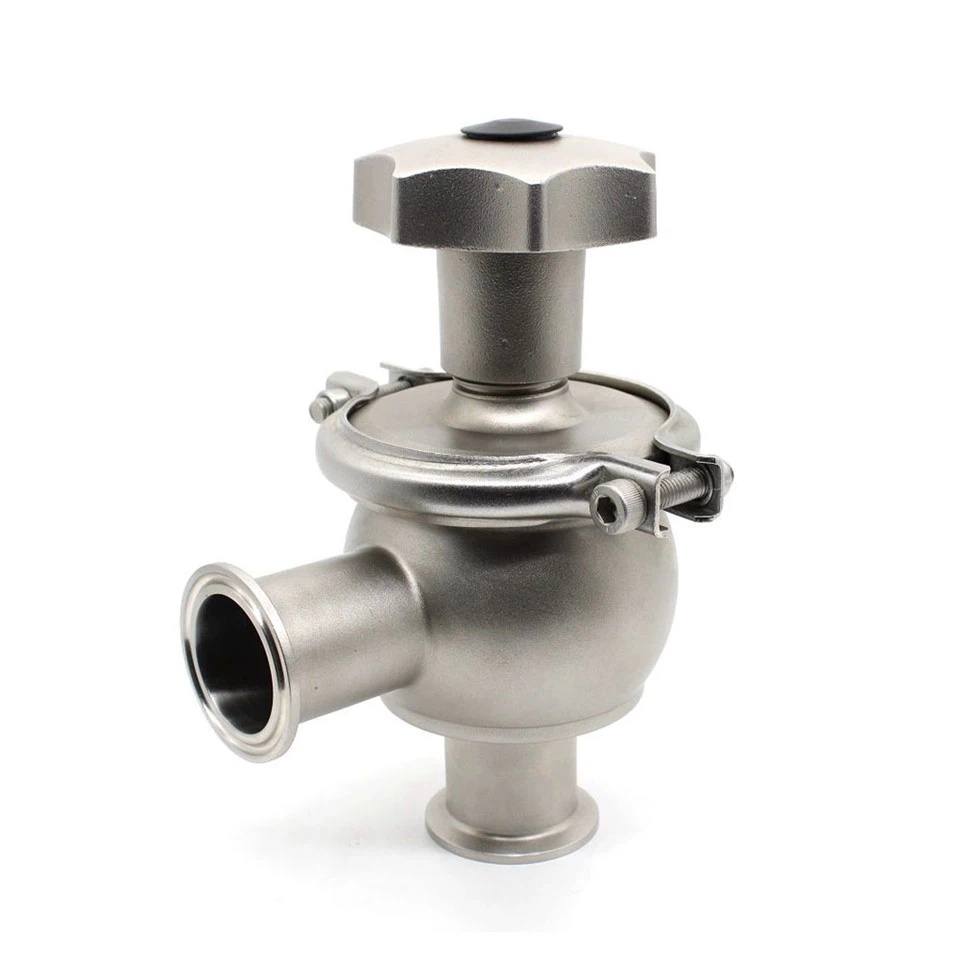
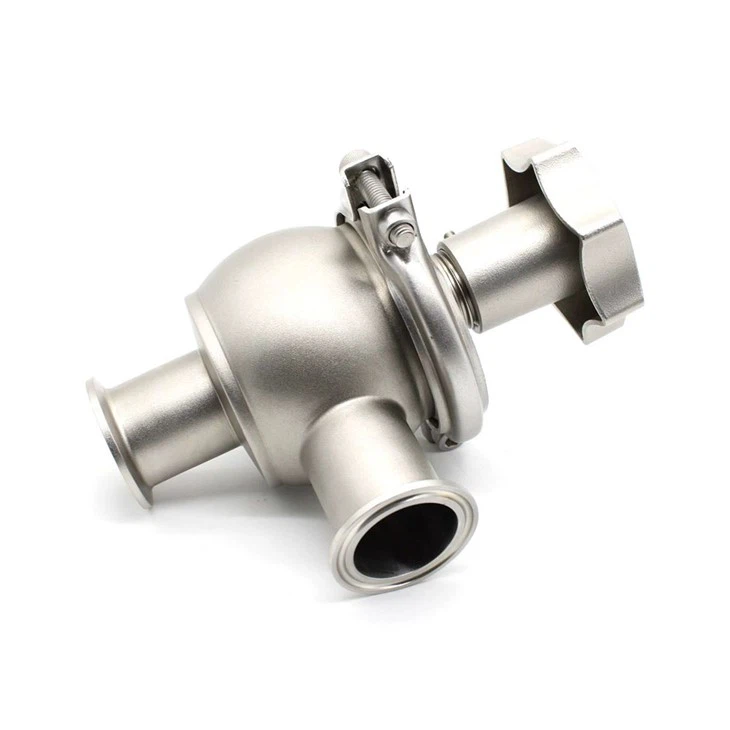
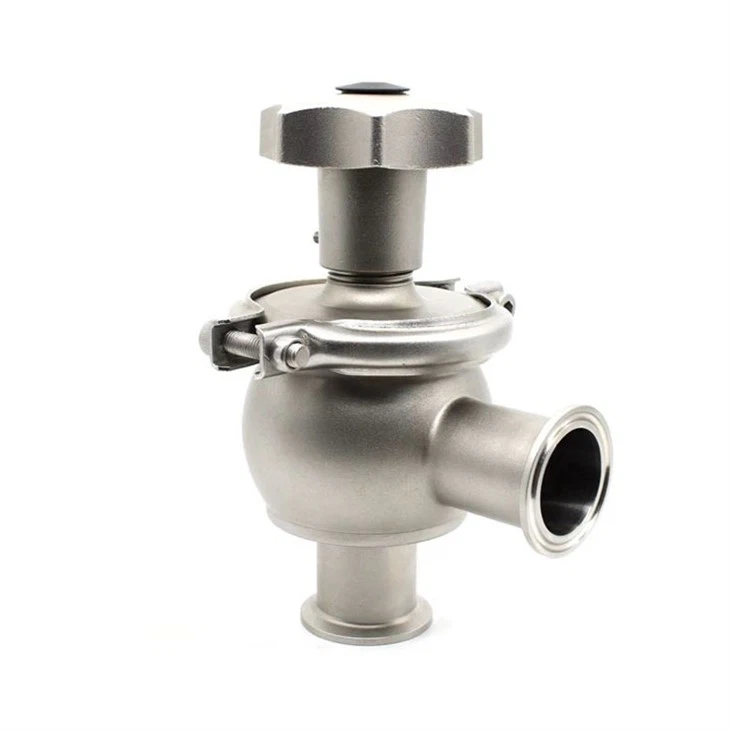
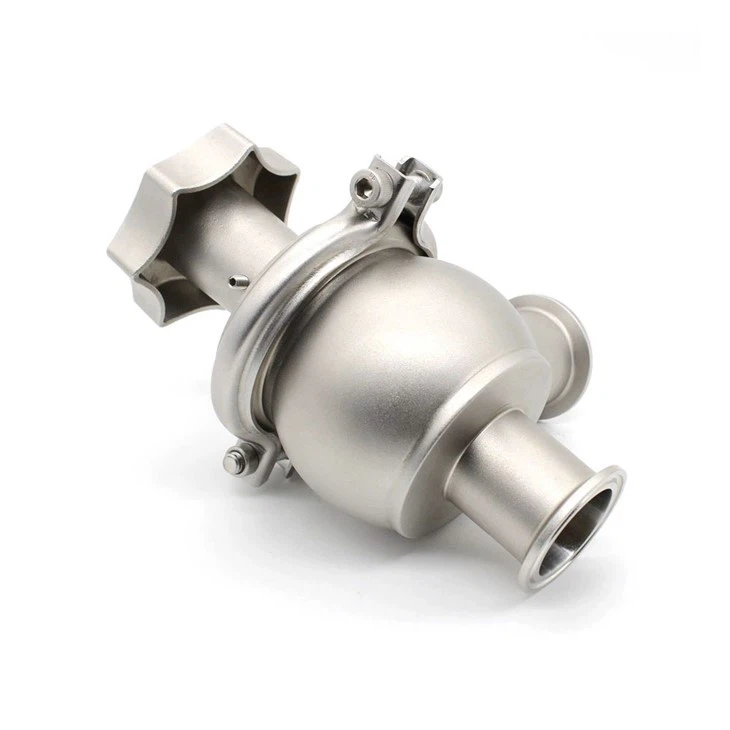
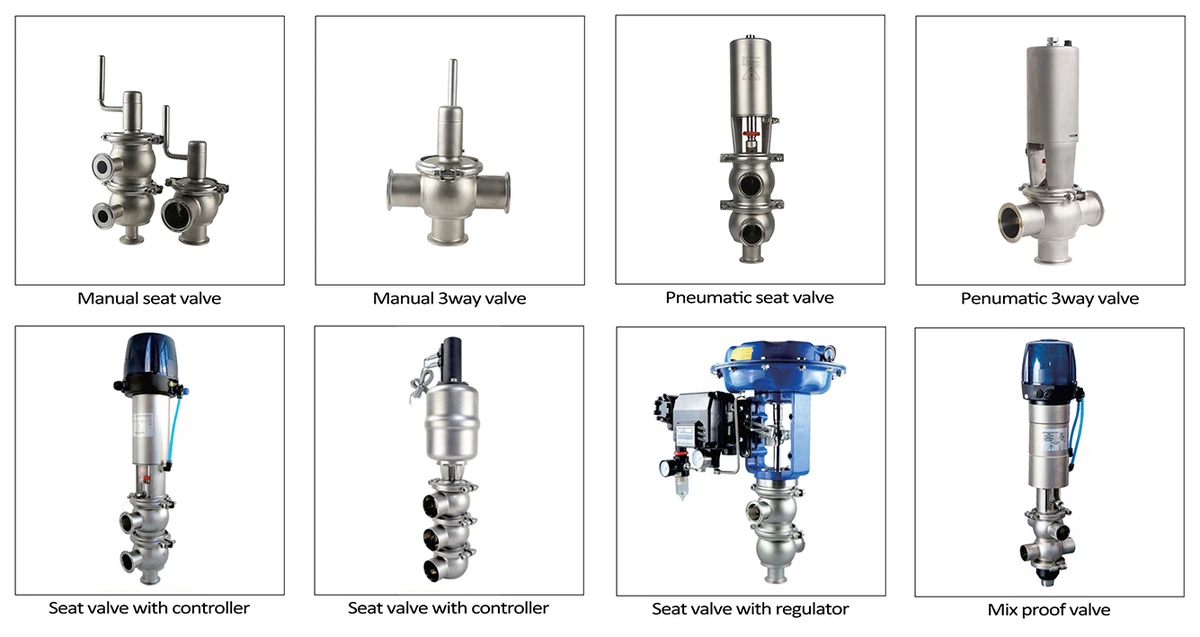
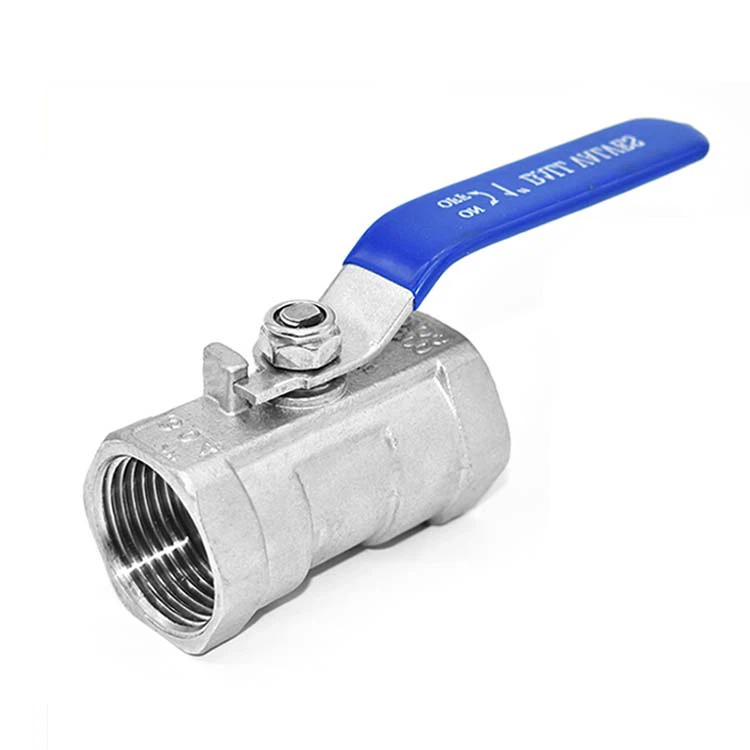
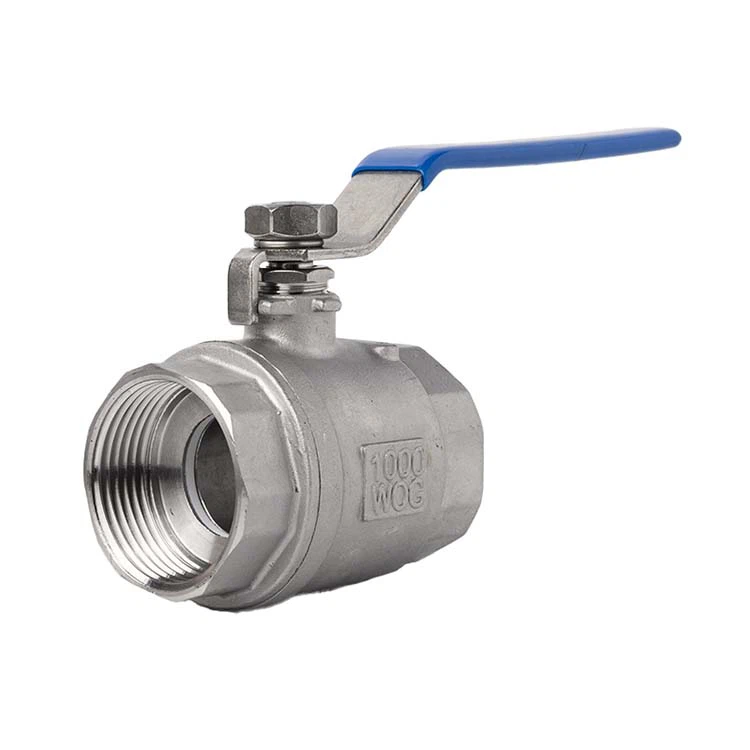
manual single-seat divert valve is an essential component in various industrial applications. It is a type of valve that is used to control the flow of fluid or gas in a pipeline. As its name suggests, a manual single-seat divert valve is manually operated, meaning that it is controlled by a person or a system rather than being automated. In this essay, I will discuss the functions, applications, and design of a manual single-seat divert valve.
Function:
The main function of a manual single-seat divert valve is to divert the flow of fluid or gas in a pipeline. It is designed to regulate the flow of gases, liquids, and slurries, often in high-pressure systems. The valve can alter the direction of the flow, either diverting it to a different channel or blocking it completely. This function can be critical in industrial processes where precise flow control is necessary to maintain the accuracy and integrity of the final product.
Applications:
Manual single-seat divert valves have a wide range of applications in various industries. These include chemical processing, pharmaceuticals, food and beverage production, and petrochemicals. They are also used in the oil and gas industry, where they help to control the flow of oil and gas from wells to pipelines. In addition, they are used in many power generation plants to divert steam to different turbine sections. The valve’s versatile applications make them an essential tool in the management of fluids and gases.
Design:
The manual single-seat divert valve is designed with a single seat, which controls the flow by adjusting the valve’s size. It is made up of a body, plug, and stem, which work together to regulate the flow. The stem operates the plug’s position within the valve, while the body is designed to house the valve’s internal components. The valve’s design can vary depending on the requirements of the end-user, including the size, material, and type of connections.
Advantages:
One of the main advantages of the manual single-seat divert valve is its simplicity. Manual valves do not require complex automation equipment or systems, making them easier to install and maintain. They are also more economical than automated valves, making them a more cost-effective option. Moreover, manual valves can be operated independently, making it easier to troubleshoot problems.
In conclusion, the manual single-seat divert valve is a vital component in various industrial applications. It is designed to control the flow of fluids and gases precisely and accurately, making it an essential tool in the production of many industrial products. Its simplicity and cost-effective nature make it an attractive option for many users. Overall, the manual single-seat divert valve is an essential tool in the management of fluids and gases in various industrial applications.