Telephone
+8613375872366
E-mail
info@seasomtech.com
WhatsApp
Start a chat

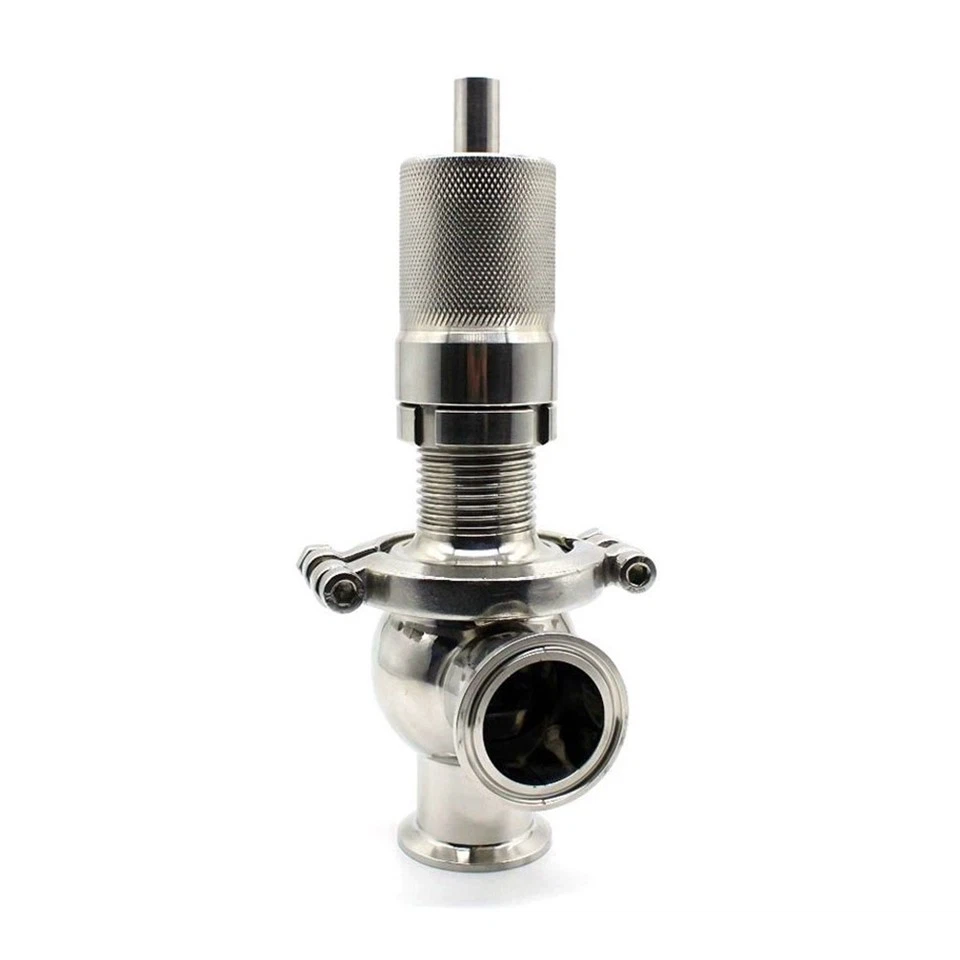
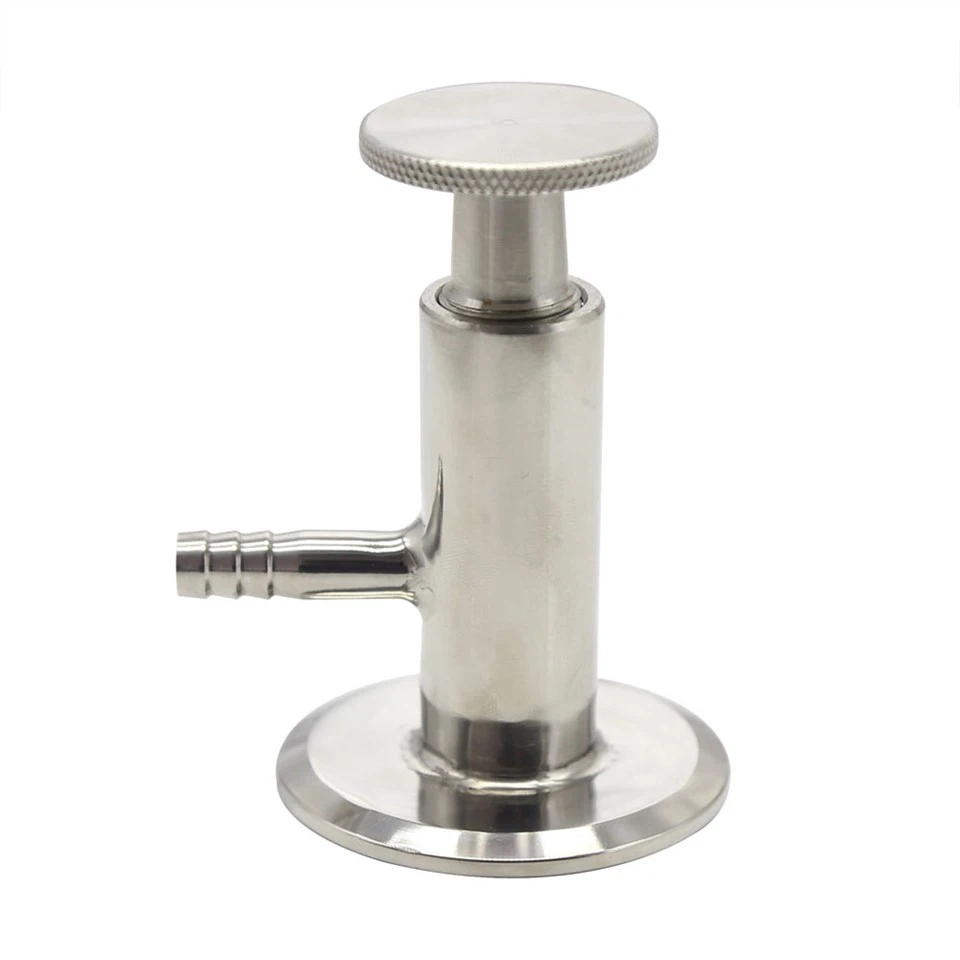
Stainless Steel Valve

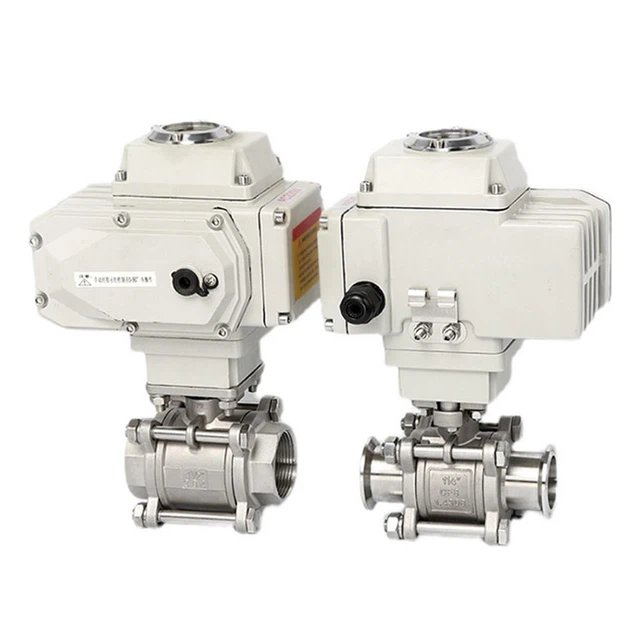
Stainless steel valves are designed to control the flow of liquids and gases in industrial piping systems. They offer excellent corrosion resistance, high strength, and reliable sealing performance, making them ideal for use in chemical, food, beverage, pharmaceutical, and water treatment industries. With precise operation and long service life, stainless steel valves ensure safe, efficient, and stable flow control under demanding working conditions.

Why Choose Xingsheng Mechanical Technology Co.,Ltd?

Xingsheng Mechanical Technology Co., Ltd is located in Wenzhou city, Southeast coast of China. It is established in the year 2005, with a registered capital of 50 million RMB. In the year 2022 Xingsheng has over 150 staff, 10000 square meters of workshop, and over 20 million (USD) annual turnover.

Complete Qualifications

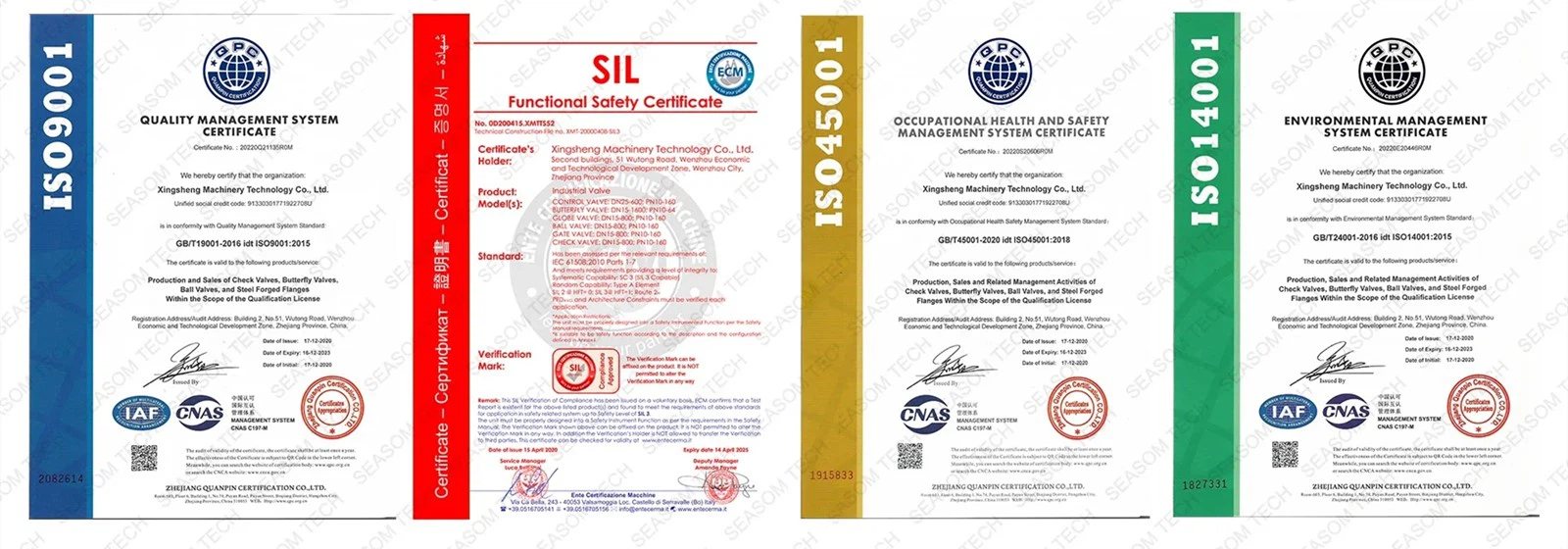
During continuous effort over the past 15 years, Xingsheng has acquired IS0:9001, ISO:14001, and ISO45001 certifications. And 3A certificate for food-grade pipe fitting in the year 2022.

Wide Range of Products

We have a variety of products. Our main product includes all kinds of forged stainless steel flanges, Stainless steel valves, and Stainless steel pipe fittings for both food-grade and industrial applications.

Wide Range of Exports

Xingsheng has more than 10 years of export experience, our main export markets include the United States, South America, Australia, Southeast Asia and Europe. Based on our strict quality control system and quality products. We have exported more and more products worldwide.

Professional Service

With Mature technology and good supporting services, dedicated to strict quality control and thoughtful customer service, our experienced staff members are always available to discuss your requirements and ensure full customer satisfaction. OEM and ODM service is welcomed!

What is Stainless Steel Valve?

Stainless steel valves are a type of industrial valve specifically constructed using stainless steel as the primary material. Stainless steel is chosen for its corrosion resistance, durability, and ability to withstand various environmental conditions. These valves find applications in a wide range of industries, including oil and gas, chemical processing, pharmaceuticals, water treatment, and more.

Features of Stainless Steel Valve

Corrosion Resistance

Stainless steel valves offer excellent resistance to corrosion, making them suitable for use in corrosive environments where other materials might degrade.

Durability

Stainless steel is known for its durability and longevity. Valves made from stainless steel can withstand harsh conditions and provide a reliable, long-lasting performance.

Temperature Resistance

Stainless steel valves are capable of handling a broad temperature range, making them suitable for applications where temperature variations are significant.

Hygienic Properties

Stainless steel is easy to clean and maintain, making stainless steel valves suitable for applications where hygiene is crucial, such as in the food and pharmaceutical industries.

Versatility

Stainless steel valves are versatile and can be used in various applications, including controlling the flow of liquids, gases, or steam.

Low Maintenance

Due to their corrosion resistance and durability, stainless steel valves typically require lower maintenance compared to valves made from other materials.

Types of Stainless Steel Valve

Stainless steel valves are available in multiple types to meet different flow control needs, including ball valves, gate valves, globe valves, butterfly valves, check valves, and diaphragm valves. Each type is designed for specific functions such as on/off control, flow regulation, or backflow prevention. These valves provide excellent corrosion resistance, tight sealing performance, and reliable operation in demanding industrial, sanitary, and high-pressure applications.

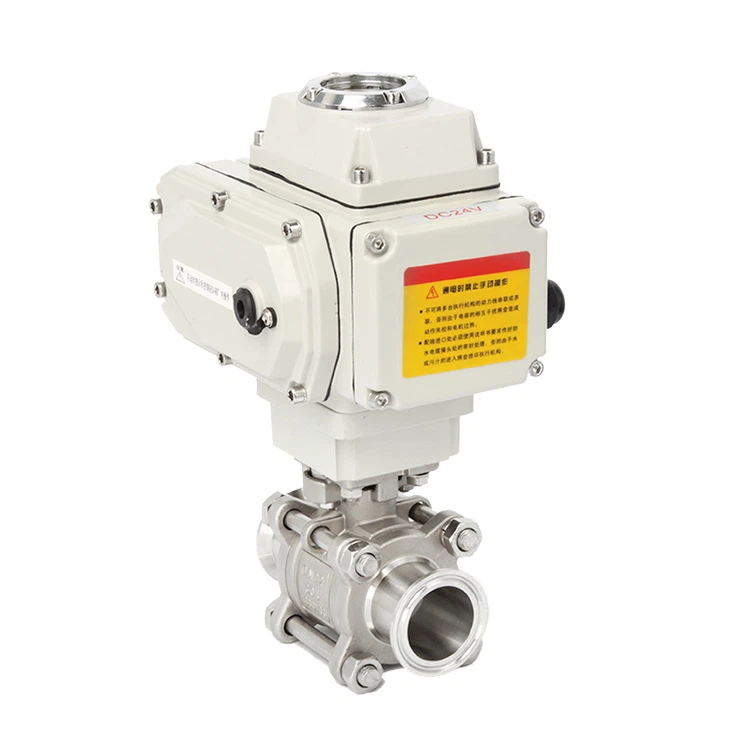
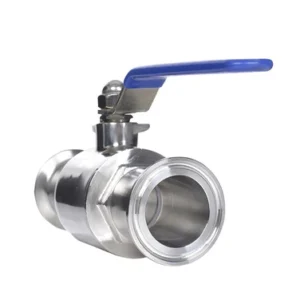
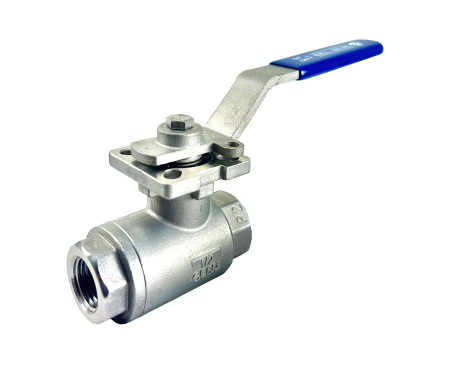
Ball Valves

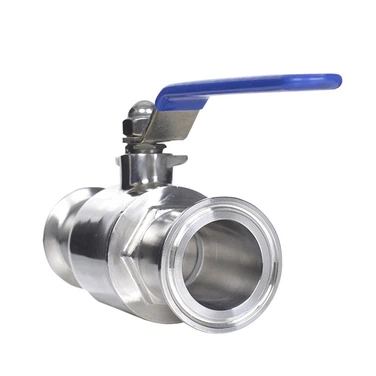
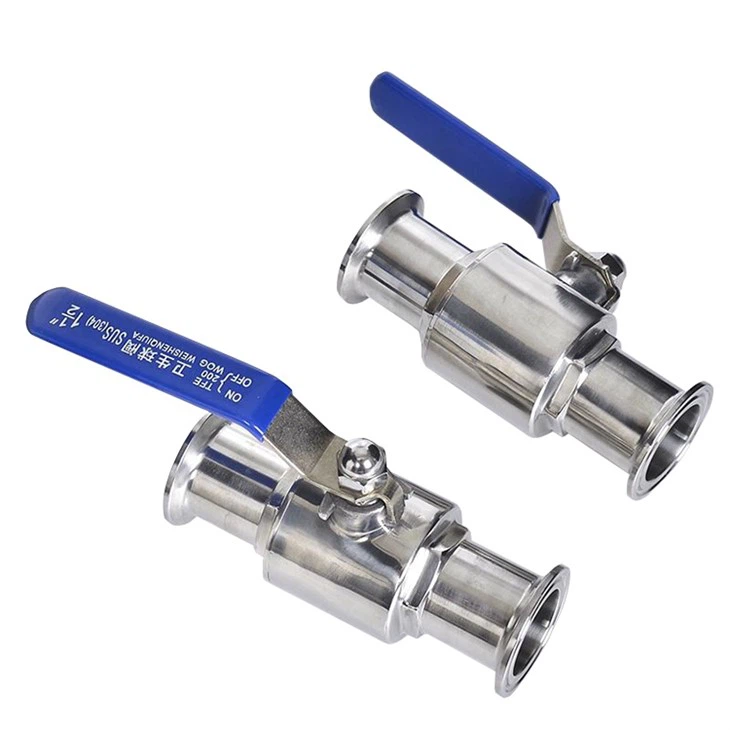
Ball valves use a rotating ball with a bore to control the flow of fluids. They are commonly used for shut-off applications and are available in various configurations, such as floating or trunnion-mounted.

Gate Valves

Gate valves control the flow of fluids by raising or lowering a gate (wedge) within the valve body. They are often used for on/off applications and are suitable for both high and low-pressure systems.

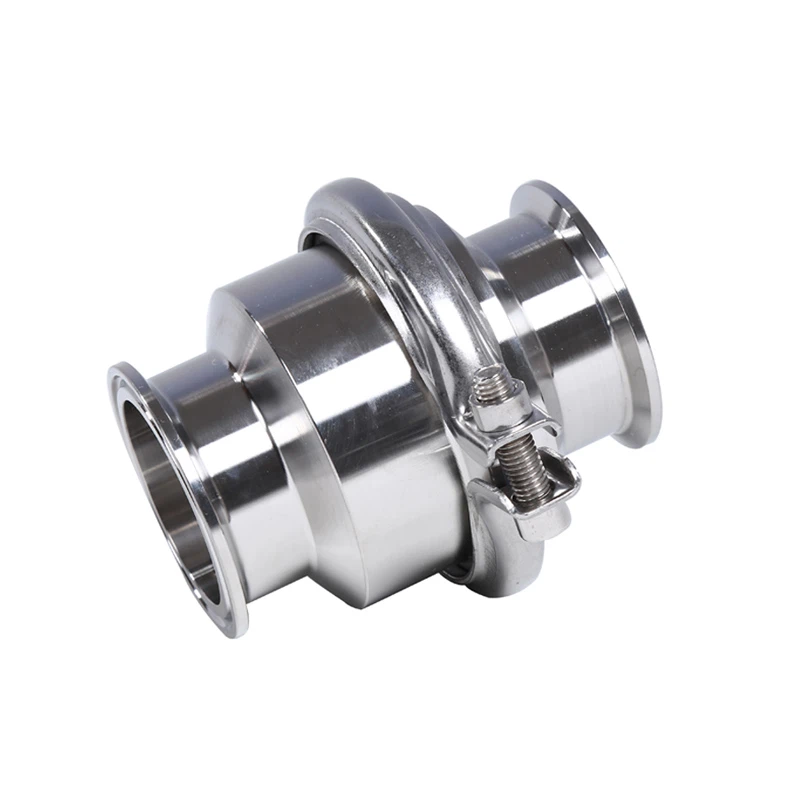
Check Valves

Check valves allow flow in one direction and prevent backflow. Stainless steel check valves are used to ensure fluid only flows in a single direction, preventing reverse flow.

Globe Valves

Globe valves control flow by adjusting the position of a disc within the valve. They are commonly used for throttling applications where precise control of flow is required.

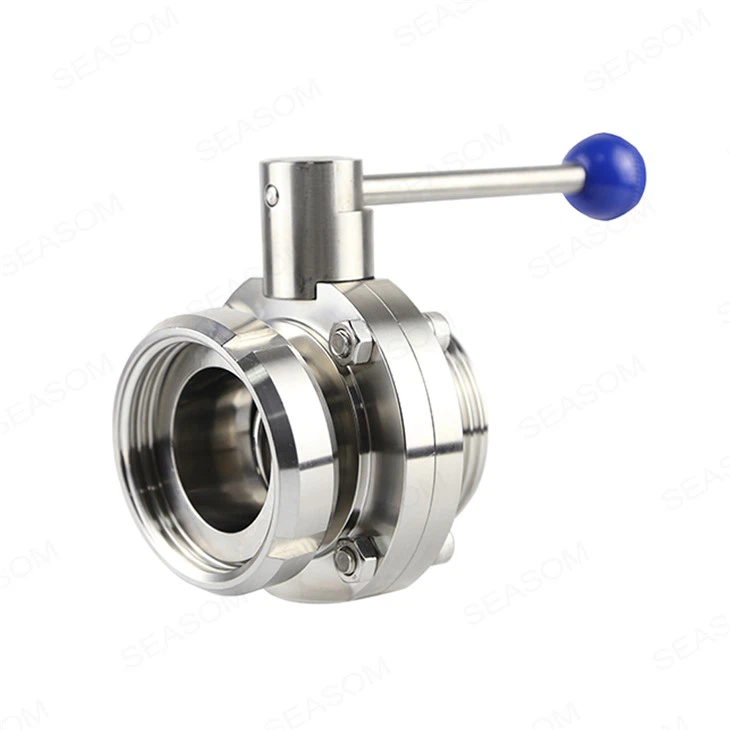
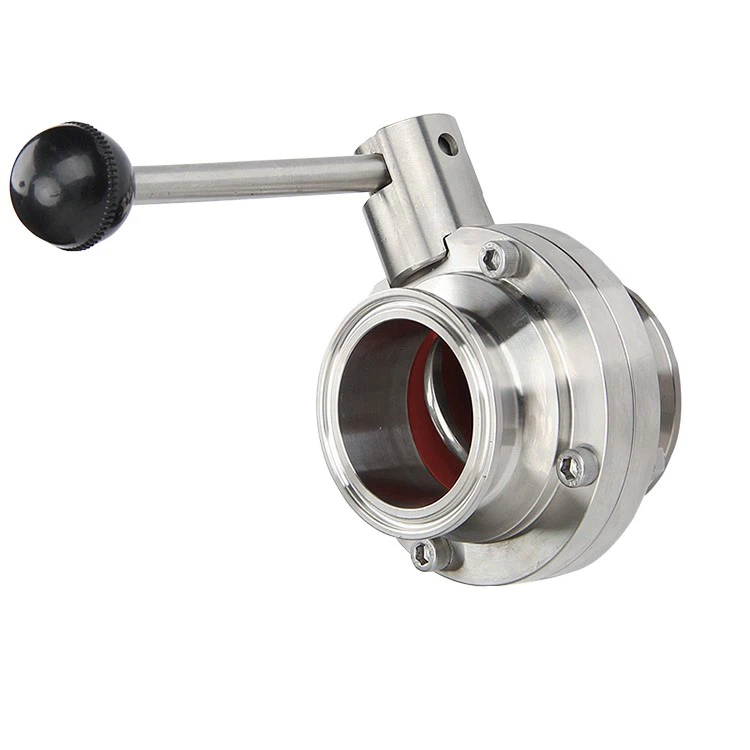
Butterfly Valves

Butterfly valves use a disc mounted on a rotating shaft to control flow. They are lightweight and are often used for large-diameter pipelines where quick on/off operation is needed.

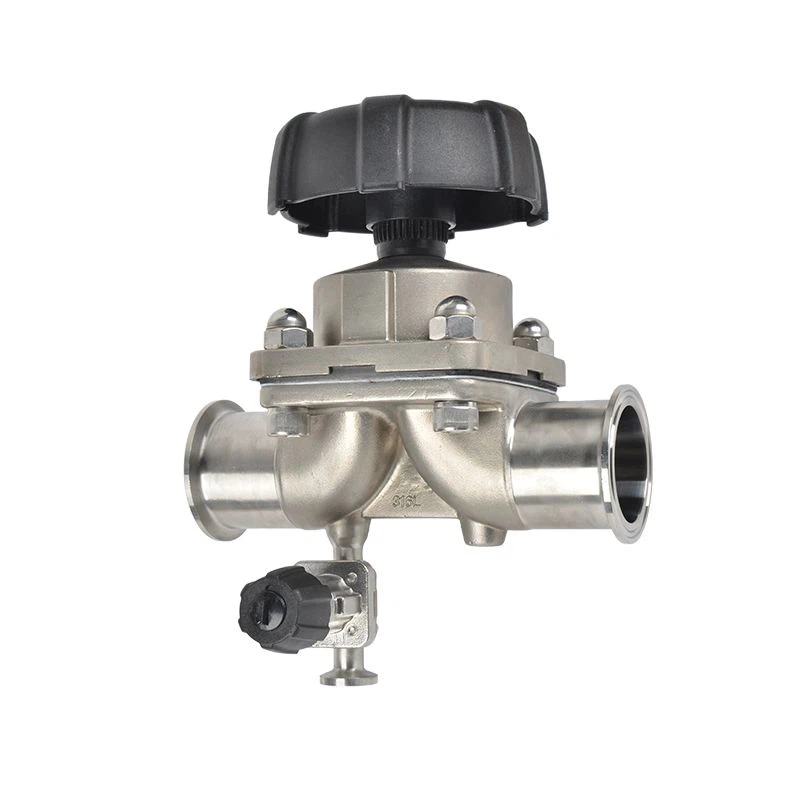
Diaphragm Valves

Diaphragm valves use a flexible diaphragm to regulate flow. They are suitable for applications where contamination must be minimized, such as in the pharmaceutical industry.

Needle Valves

Needle valves have a slender, tapered needle-like disc that precisely controls the flow rate. They are commonly used in applications where fine flow control is required.

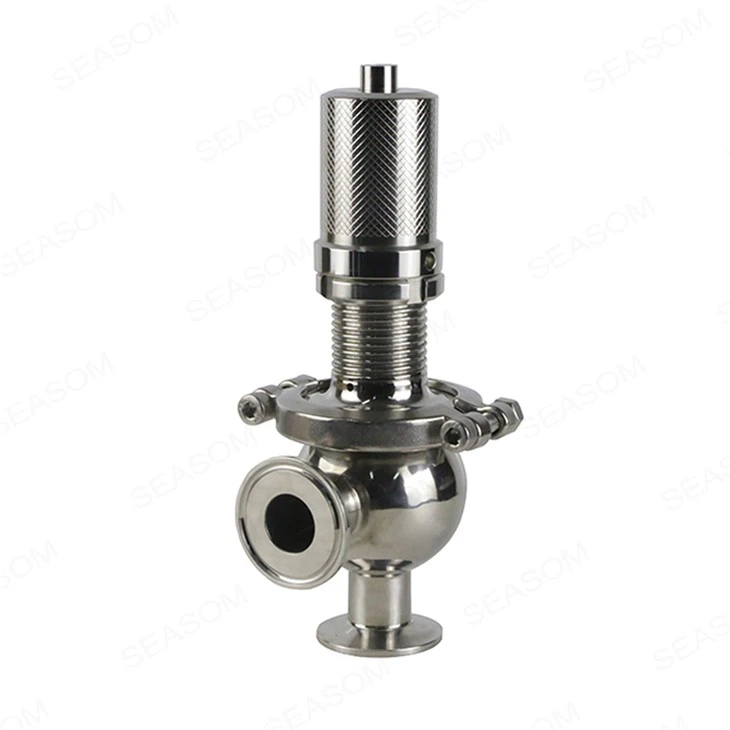
Pressure Relief Valves

Pressure relief valves are designed to release excess pressure from a system to prevent damage. Stainless steel pressure relief valves offer corrosion resistance in critical applications.

Control Valves

Control valves regulate fluid flow by modulating the opening of the valve. They are used in processes that require precise control over flow rates.

Advantages of Stainless Steel Valve

Corrosion Resistance

The steel parts that compose stainless steel are less susceptible to corrosion or deterioration. This makes stainless steel shutoffs a better choice for commercial applications that can create quick rusting or deterioration of the steel. While plastic shutoffs are likewise less vulnerable to corrosion or rust, they do not have the stamina, dependability, or high pressure resistance of stainless steel.

Durability

Among the main advantages of stainless steel valves over valves made from various other sorts of steel is that they are extremely dependable as well as sturdy. Stainless steel 316 instrumentation valves can be used at any temperature level as well as will run in extremely warm or uncommonly cold conditions with no problems. Businesses that are looking to purchase quality steel valves count on them to run as well as stay in good condition gradually. Taking into consideration the sturdiness as well as reliability of stainless steel valves, they are an excellent investment over time.

No Leak

Stainless steel 304 instrumentation valves have a hydraulic system designed to prevent any leaks. This function of stainless steel valves is extremely essential, especially when taking care of exposure to something that could be harmful or unsafe. stainless steel shutoffs, even under high pressure or severe temperature level problems, will certainly not leak. Leak-free stainless steel shutoffs are readily available in a large range of sizes as well as layouts, so selecting the ideal valve for any kind of sort of business or auto application is easy.

Pressure Resistance

When you require valves that operate under high pressure, stainless steel is the very best choice. Due to the fact, that SS is an incredibly tough product, shutoffs made of this product will go through anxieties that can break or damage shutoffs made from plastic/PVC, brass, or bronze. Constantly make certain you know how many psi the shutoff will stand up to – for really high pressure prices, stainless-steel valves may be the only shutoffs that can withstand the pressure without damage.

Application of Stainless Steel Valve

Marine Projects

Certain applications involving pipes and valves occur under or near seawater. Since seawater contains chloride and sodium, it is pretty corrosive to all materials, especially metals. That’s not all, marine environments naturally involve water, a substance that has a substantial impact on all metals.
In such applications, many prefer to use plastic valves since they are more resistant to water and other harsh chemicals compared to most metals. However, the main concern with using plastic valves is that they can’t withstand extreme temperatures and high pressures.
Stainless steel ball valves, on the other hand, have a high-temperature tolerance, are corrosion resistant, and can withstand high pressures. The only thing these valves require is proper maintenance to extend their lifespan under or around seawater.

Oil Refining

Refining crude oil is a long and complicated process that is made much easier through the use of stainless steel ball valves. Crude oil may contain sulfur, carbon dioxide, and many microorganisms, which makes it an extremely corrosive substance. Over time, the constant movement of this substance can break down the metal of the valve. Therefore, you will need pipes and valves that can withstand corrosive crude oil for the longest time. Since stainless steel valves have very high corrosion resistance, they are the obvious choice of use in the oil refinery industry.

Breweries

Stainless steel ball valves are widely used in breweries. These valves are typically situated on the kettle to help control the flow of liquid during transfers. The reason that stainless steel valves are a top choice in breweries is that during the mashing process, the valve comes into direct contact with a liquid known as wort, which is highly corrosive and can very easily wear down iron valves, and since plastic valves lack the ability to handle high temperatures, stainless steel valves are the best option.

How to Choose Stainless Steel Valve

Material Grade: Different grades of stainless steel offer varying levels of corrosion resistance. Select the appropriate grade based on the specific application and environmental conditions.


Application Requirements: Consider the specific requirements of the application, including pressure, temperature, and the type of fluid being controlled, to choose a valve that meets these conditions.


Valve Design and Operation: Different valve designs and operation mechanisms suit specific applications. Consider factors like on/off operation, throttling, or precise flow control to choose the right type of valve.


Size and Pressure Rating: Ensure that the size and pressure rating of the stainless steel valve match the requirements of the piping system where it will be installed.


Industry Standards and Certifications: Verify that the stainless steel valve complies with industry standards and certifications to ensure quality and performance.

How to Install Stainless Steel Valve

  • Before being connected to the pipe, remained impurities in the pipes should be washed and cleaned up. Those impurities may damage the seat and ball of stainless ball valves.

  • Check the mark on stainless steel ball valves. Find out whether the valves are damaged or not. Open and close the valves fully several times to verify that the valves can work normally. Take off the protective caps on two ends of the flange. Wash and clean up the valves when valves are fully on.

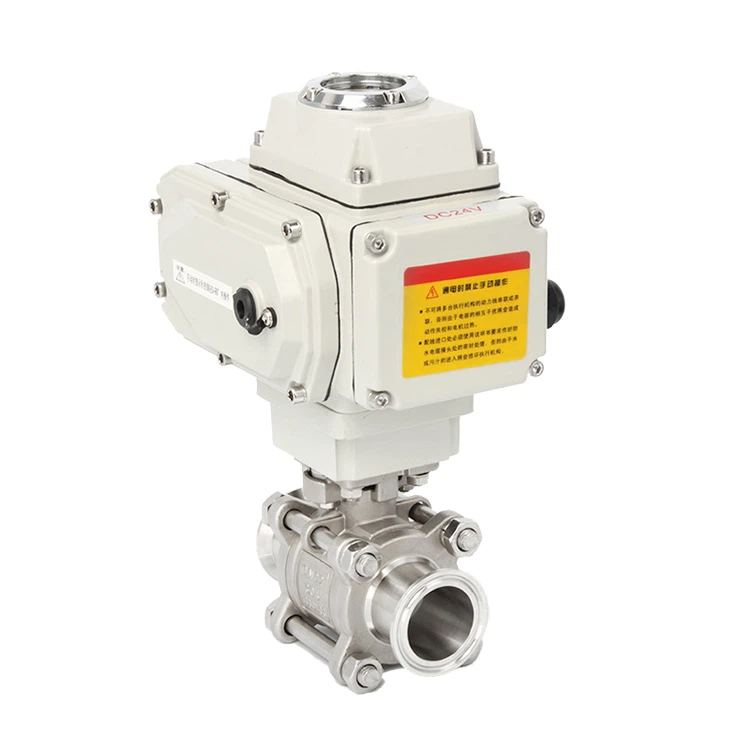
  • Before installation, carry out the test for stainless steel ball valves according to specified signals (electric or pneumatic) in case of vibration caused by transportation impacting the performances of valves. After qualification, the valves can be installed (wiring should follow the circuit diagram of the electric actuator).

  • This kind of ball valve should be installed in the horizontal or vertical direction of pipes.

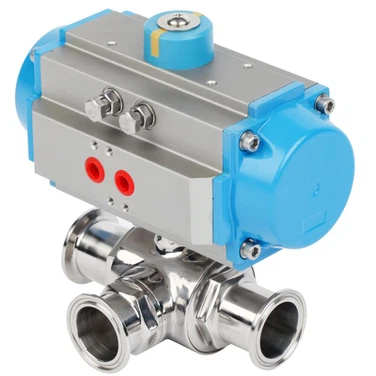
  • Pipes near the installation point should not have droop or the phenomenon of enduring external force. Using piping racks or other upholders can eliminate deviation of pipes. Any ends of valves can be installed in the upstream end. The valves actuated by the handle can installed at any position of pipes. Ball valves with gear or pneumatic actuators should be installed vertically, installed in a horizontal pipe. The driving device is located in the upward side of the pipes.

  • After being connected with pipes, use specified torque to tighten bolts on the flange symmetrically, gradually, and equally.

  • During installation, the actuator of stainless steel ball valves is not allowed to be used for lifting in case of being damaged.

Maintenance of Stainless Steel Valve

1

Clean and Lubricate Regularly

Cleaning and lubricating your stainless steel valves regularly is vital to ensure their longevity. Valves used in damp, salty, or harsh environments are susceptible to corrosion and buildup of dirt, debris, and other particles that may cause them to fail. Therefore, you should use a non-abrasive cleaner and lubricant to remove debris and rust and keep the valves functioning smoothly. Avoid harsh chemicals or abrasive tools that may damage the valve’s surface.

2

Inspect for Leaks and Damage

Regular inspections are another critical practice for maintaining stainless steel valves. Inspect your valves for leaks, cracks, or damage that may reduce their performance or lead to catastrophic failure. Common signs of valve leaks include moisture or water accumulation near the valve, reduced flow rate, or unusual noise. If you notice any of these signs, it’s wise to investigate and repair the valve to prevent further damage.

3

Protect from Extreme Temperatures

Stainless steel valves are reliable in high temperatures that other materials cannot withstand. However, this doesn’t mean that they are immune to temperature-related damage. Extreme temperature fluctuations, whether hot or cold, may damage or weaken valves over time, resulting in premature failure or degradation of their performance. Therefore, it is recommended to install insulation or heat shields to protect valves from excessive heat or cold.

4

Use the Right Tools and Accessories

Using the right tools and accessories is crucial when working on stainless steel valves. Always use the appropriate wrenches, pliers, and other tools designed for the valve size and type to avoid damaging the parts. Similarly, when replacing or installing accessories such as gaskets or stem packings, ensure they are compatible with the valve and won’t inhibit its performance.

5

Train Your Staff on Best Practices

Lastly, training your personnel on the best practices for maintaining stainless steel valves is key to ensuring their longevity and optimal performance. Educate your staff on how to handle, clean, and inspect valves and identify signs of damage or leakage. Additionally, when working on or near the valves, they must be provided with the necessary tools and protective gear, such as gloves, goggles, and respirators.

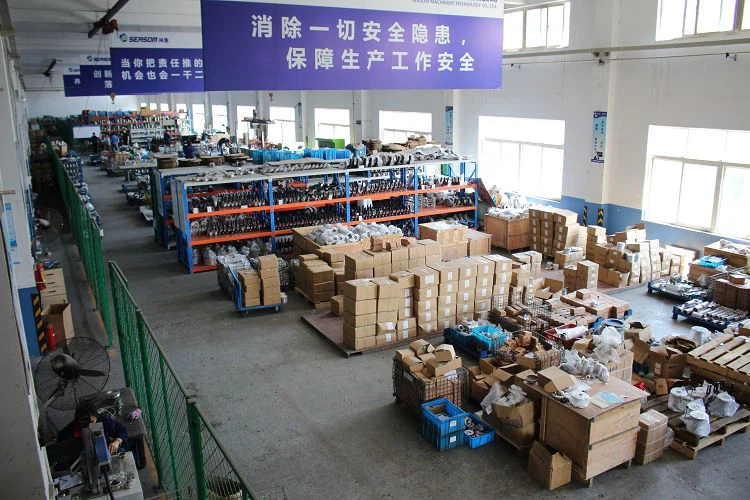
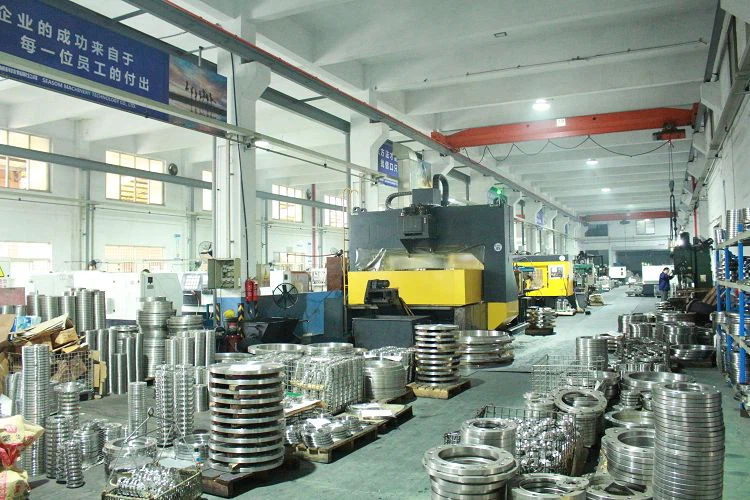
Our Factory

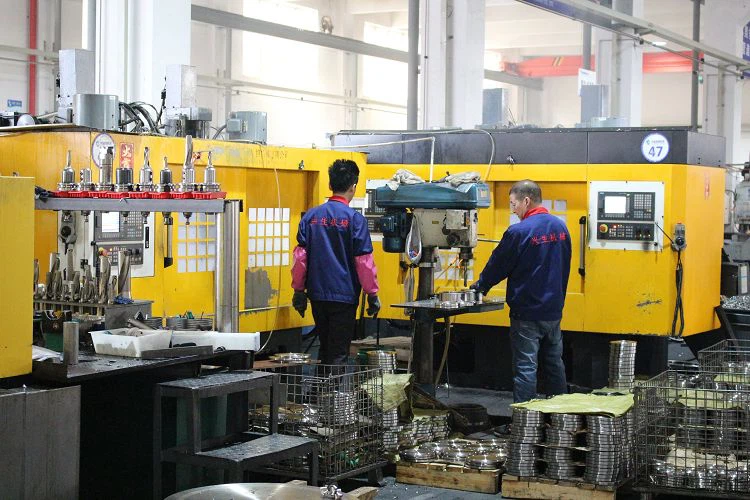
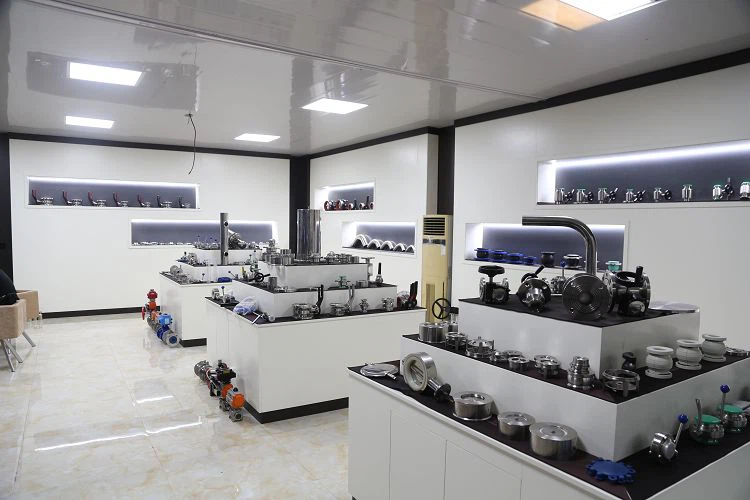
We have a complete factory production, quality supervision and delivery.

Our main product including all kinds of forged stainless steel flanges, Stainless steel valves, Stainless steel pipe fittings for both food grade and industrial application.

Xingsheng have more than 10 years export experience, Our main export market including: United states, South America, Australia, South east Asia and Europe. Base on our strict quality control system and quality products. We have export more and more products world wide.

Ultimate FAQ Guide to Stainless Steel Valve

Q: What is a stainless steel valve?

A: A stainless steel valve is a type of valve made from stainless steel, an alloy composed mainly of iron, nickel, and chromium.

Q: What are the advantages of using stainless steel valve?

A: Stainless steel valve is highly resistant to rust and corrosion, it’s durable and long-lasting, can withstand high temperatures and pressure, is easy to clean and maintain, and is also highly hygienic.

Q: What are the different types of stainless steel valves?

A: There are various types of stainless steel valves, including ball valves, gate valves, globe valves, check valves, butterfly valves, diaphragm valves, and needle valves.

Q: What is a ball valve?

A: A ball valve is a type of quarter-turn valve that uses a ball to control the flow of fluid through the valve. It is one of the most commonly used valves in industrial applications.

Q: What is a gate valve?

A: A gate valve is a type of valve that is used to control the flow of fluid in a pipe by using a gate that is raised or lowered by a threaded stem.

Q: What is a globe valve?

A: A globe valve is a type of valve that uses a plug or disc to control the flow of fluid through the valve. It is commonly used in regulating fluid flow rather than completely shutting it off.

Q: What is a check valve?

A: A check valve is a type of valve that allows fluid to flow in only one direction. It is commonly used to prevent backflow or reverse flow of fluids.

Q: What is a butterfly valve?

A: A butterfly valve is a type of valve that uses a disc-shaped closing mechanism to control the flow of fluid through the valve. It is commonly used in large industrial applications.

Q: Can stainless steel valves be customized?

A: Yes, stainless steel valves can be customized to suit specific application needs.

Q: Can stainless steel valves be recycled?

A: Yes, stainless steel valves can be recycled and reused, making them a sustainable option for various industries.

Q: What is the difference between a stainless steel valve and a regular valve?

A: The main difference between stainless steel valves and regular valves is the material used to make them. Stainless steel valves are more durable, corrosion-resistant, and have a longer lifespan compared to regular valves.

Q: What is the temperature and pressure range of stainless steel valves?

A: The temperature and pressure range of stainless steel valves depends on the specific type and application. However, in general, they can withstand temperatures ranging from -196°C to 700°C and pressures of up to 10,000 PSI.

Q: What are the industries that utilize stainless steel valves?

A: Stainless steel valves are used in various industries, including chemical processing, petrochemical, oil and gas, food and beverage, pharmaceutical, and water treatment.

Q: What is the installation process for stainless steel valves?

A: The installation process for stainless steel valves varies depending on the type and application. It typically involves cutting the pipe, installing the valve between two pipes, and attaching the valve to the pipes using flanges or other fittings.

Q: How do you maintain and clean stainless steel valves?

A: To maintain and clean stainless steel valves, it is recommended to inspect them on a regular basis, lubricate moving parts, and clean the valve using a non-abrasive cleaning agent.

Q: What are the safety protocols for using stainless steel valves?

A: Safety protocols for using stainless steel valves include wearing personal protective equipment, following standard operating procedures, and properly maintaining and inspecting the valve.

Q: What are the common issues that can arise with stainless steel valves?

A: Common issues that can arise with stainless steel valves include leakage, corrosion, damage to valve components, and improper installation.

Q: What are the best practices for avoiding issues with stainless steel valves?

A: Best practices for avoiding issues with stainless steel valves include proper installation, regular inspection and maintenance, using the correct valve size and configuration for the application, and following safety protocols.

Q: What is the cost of stainless steel valves?

A: The cost of stainless steel valves varies depending on the type, size, and application. However, they are generally more expensive than regular valves due to their high quality and durability.

Q: How can you ensure the quality of stainless steel valves?

A: To ensure the quality of stainless steel valves, it is important to purchase them from reputable and experienced manufacturers. Additionally, regular inspection and maintenance can help identify any issues with the valve.

Q: What are the environmental benefits of using stainless steel valves?

A: The environmental benefits of using stainless steel valves include reduced waste, extended lifespan, and lower carbon footprint.

Q: What are the social benefits of using stainless steel valves?

A: The social benefits of using stainless steel valves include improved safety, reduced downtime, and better product quality.

Q: How can stainless steel valves improve efficiency and productivity in industrial applications?

A: Stainless steel valves can improve efficiency and productivity in industrial applications by providing precise flow control, reducing downtime and maintenance, and improving safety and quality control.

Stay informed

Be the first to know about new drops, exclusive offers and flash sales. We won’t spam you, promise.

Subscription Form

Get For further information

Add: No.51 Wutong Road, Binhai Industry Zone, Longwan District, Wenzhou City, Zhejiang Province, 325025, China

Tel: +86-577-89690837

+8613375872366

Email: info@seasomtech.com

Website: https://www.seasomtech.com