

Telephone
+8613375872366
E-mail
info@seasomtech.com
WhatsApp
Start a chat

Sight Glass Manway

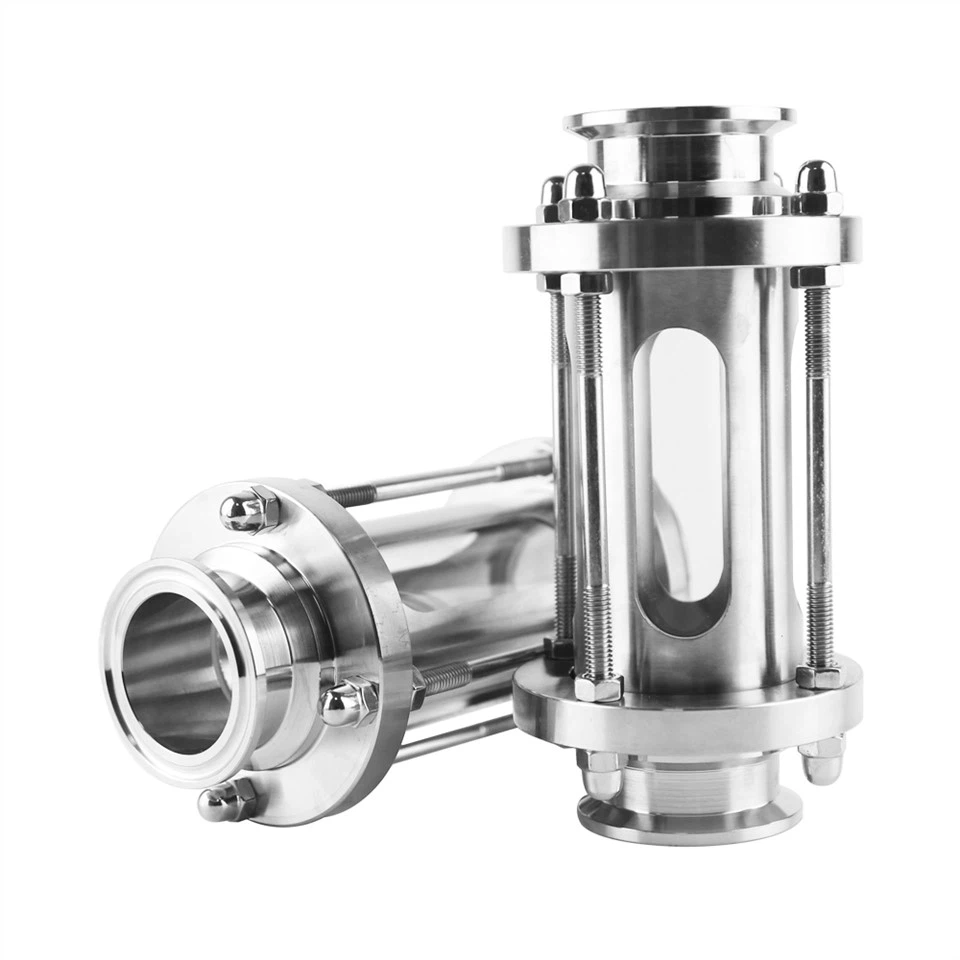
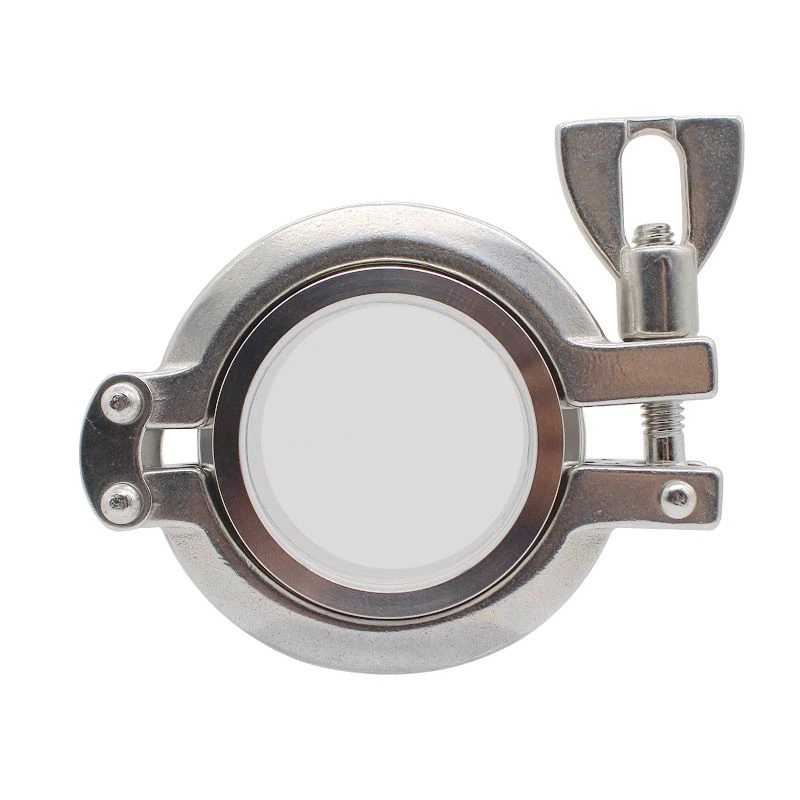
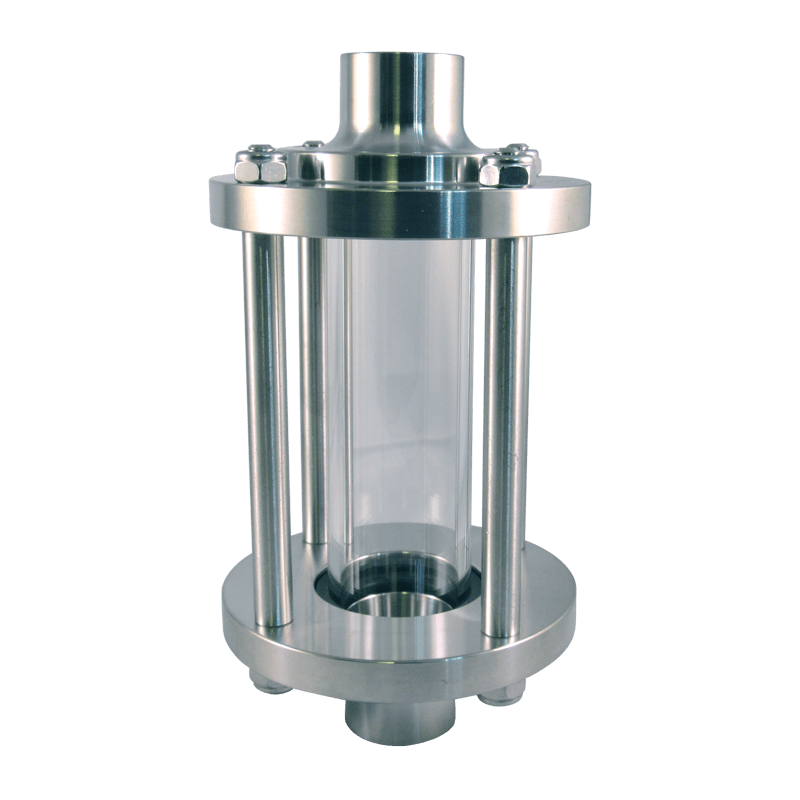
Sight glass manways are inspection devices used on tanks, vessels, and pipelines to allow visual monitoring of internal conditions such as liquid level, flow, and cleanliness. Made from high-strength glass and durable metal frames, they provide excellent pressure and temperature resistance. Sight glass manways improve operational safety, simplify inspection and maintenance, and help ensure stable, reliable performance in industrial and sanitary applications.

Why Choose Xingsheng Mechanical Technology Co.,Ltd?

Xingsheng Mechanical Technology Co., Ltd is located in Wenzhou city, Southeast coast of China. It is established in the year 2005, with a registered capital of 50 million RMB. In the year 2022 Xingsheng has over 150 staff, 10000 square meters of workshop, and over 20 million (USD) annual turnover.

Complete Qualifications

During continuous effort over the past 15 years, Xingsheng has acquired IS0:9001, ISO:14001, and ISO45001 certifications. And 3A certificate for food-grade pipe fitting in the year 2022.

Wide Range of Products

We have a variety of products. Our main product includes all kinds of forged stainless steel flanges, Stainless steel valves, and Stainless steel pipe fittings for both food-grade and industrial applications.

Wide Range of Exports

Xingsheng has more than 10 years of export experience, our main export markets include the United States, South America, Australia, Southeast Asia and Europe. Based on our strict quality control system and quality products. We have exported more and more products worldwide.

Professional Service

With Mature technology and good supporting services, dedicated to strict quality control and thoughtful customer service, our experienced staff members are always available to discuss your requirements and ensure full customer satisfaction. OEM and ODM service is welcomed!

What is Sight Glass Manway?

Sight glass manways are specialized components used in industrial equipment, particularly in tanks and vessels, to provide a visual inspection of the interior without the need for opening the container. These manways incorporate a sight glass or transparent window, allowing operators to observe processes, levels, and conditions inside the tank or vessel.

Features of Sight Glass Manway

Transparency

Sight glass manways are characterized by a transparent glass or material that allows visual inspection of the contents inside the tank or vessel. This transparency facilitates monitoring of processes and conditions.

Sealing Mechanism

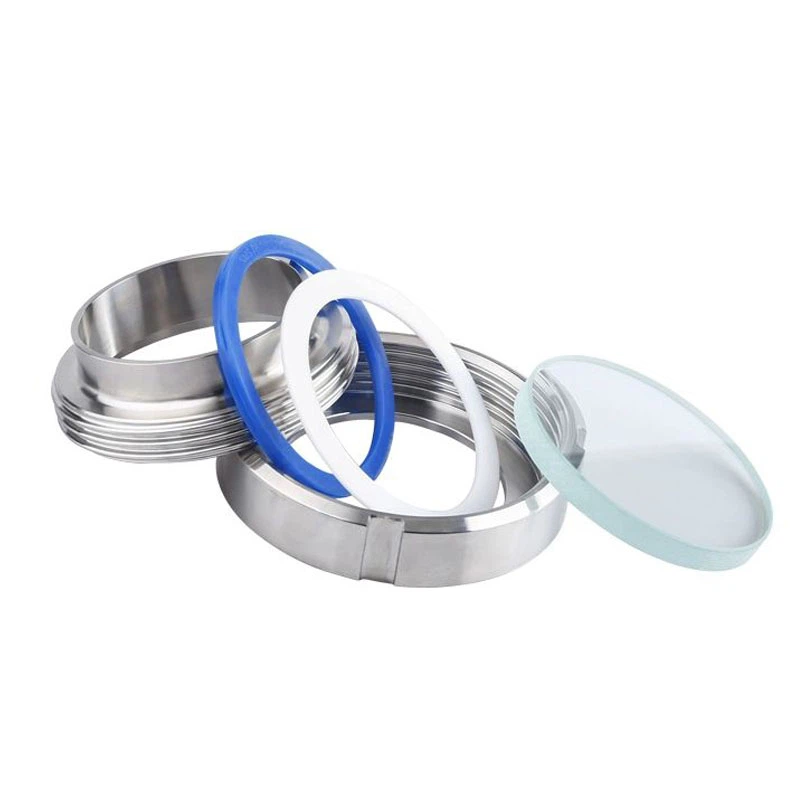
These manways typically have a sealing mechanism, such as a gasket or O-ring, to ensure a tight and secure seal. The sealing is crucial to prevent leaks and maintain the integrity of the vessel.

Durable Construction

Sight glass manways are constructed with durable materials, including stainless steel or other corrosion-resistant alloys, to withstand the conditions within the tank and ensure longevity.

Various Sizes and Shapes

They come in various sizes and shapes to accommodate different tank and vessel designs. The size of the sight glass window can vary based on the specific application and visibility requirements.

Pressure and Temperature Resistance

Sight glass manways are designed to withstand the pressure and temperature conditions within the tank or vessel. This ensures their suitability for a wide range of industrial applications.

Easy Installation and Maintenance

The design of sight glass manways often allows for easy installation and maintenance. This is essential for quick and efficient access to the interior of the tank when needed.

Chemical Compatibility

Materials used in sight glass manways are chosen for their chemical compatibility with the substances contained in the tank. This prevents deterioration or chemical reactions that could compromise visibility.

Versatility

Sight glass manways can be used in various industries, including pharmaceuticals, food and beverage, chemical processing, and more. Their versatility makes them suitable for applications where visual inspection is crucial.

Types of Sight Glass Manway

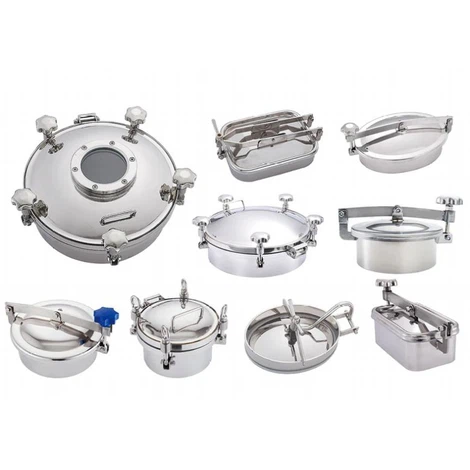
Sight glass manways are available in several types to suit different inspection and access needs, including round and oval manways, bolted or quick-opening designs, and flanged or welded connections. Common sight glass styles include full-view glass, tubular glass, and double-window structures for enhanced visibility and safety. These types are designed to withstand pressure and temperature changes while providing clear, reliable internal monitoring.

Flat Sight Glass Manway

This type features a flat and transparent sight glass, providing a clear view of the tank or vessel’s interior. It is suitable for applications where a simple, direct observation is sufficient.

Dished Sight Glass Manway

Dished sight glass manways have a curved or dished design, enhancing structural integrity and pressure resistance. They are commonly used in high-pressure applications where additional strength is required.

Elliptical Sight Glass Manway

Elliptical manways have an elliptical shape, offering a compromise between the flat and dished designs. They provide good visibility and structural strength, making them suitable for various applications.

Circular Sight Glass Manway

Circular manways have a circular design and often include a circular sight glass. They are versatile and can be used in different industries, offering a balanced combination of visibility and strength.

Oval Sight Glass Manway

Oval manways have an oval shape, providing an alternative to circular or elliptical designs. They may be preferred in certain applications where the oval shape fits the vessel’s geometry or process requirements.

Rectangular Sight Glass Manway

Rectangular manways are designed for tanks or vessels with specific geometric requirements. They provide a rectangular sight glass for observing the interior, offering flexibility in installation.

Features of Sight Glass Manway

1

Visual Inspection Without Opening a Closed System

Sight Glass Manways provide a way to conduct a visual inspection of conveying lines without having to open the system. Not only does this promote regular inspection work, it also prevents outside contaminants, such as moisture or debris, from entering the closed system.

2

Determines the Presence and Size of Contaminants

Sight Glass Manways can be used to identify the presence of contaminants in a system and how much of an issue they are. For example, if one becomes inundated with dirt, you know there’s an issue. Beyond dirt, Sight Glass Manways also identify metal fragments caused by wear on pneumatic components. Some even feature magnets that attract these metal fragments to them, helping you determine whether there are serious signs of wear.

3

Won’t Interrupt Normal Flow Pattern of Materials

Sight Glass Manways are contoured to the inside diameter of a conveying line, giving them a seamless fit to ensure that they won’t interrupt the normal flow pattern of the conveyed materials.

4

Flexible Designs

Not only are there many different types of Sight Glass Manways to choose from, they’re also highly customizable. For example, the sight window can be made from either borosilicate glass, soda-lime glass, cast acrylic resin, or Pyrex, while the metal can be stainless steel, carbon steel, or aluminum. They’re also available in a wide range of sizes so that they can integrate seamlessly with your current system.

5

Eliminate Static Electricity

As powder particles travel through pneumatic conveying lines, they collide with the pipe walls, leading to an accumulation of electrostatic charge. Sight Glass Manways are permanently attached to a grounding strip in order to eliminate this build up of static electricity.

6

At-a-Glance

Perhaps the biggest benefit of Sight Glass Manways in pneumatic conveying systems is that with one glance, they allow you to detect fluid levels, product quality, color contamination, signs of pressure changes or blockages, the integrity of components, among many other aspects. This allows plant managers and engineers to continually monitor their system in an easy and cost-effective way.

How to Choose Sight Glass Manway

Maximum Operating Temperature

Standard soda lime sight glass manway windows or plastic view ports are only suitable for operating temperatures of 300°F or less.
Above that temperature range, borosilicate glass or quartz/sapphire glass must be used.

Thermal Shock

Sight glass engineers need to take rapid temperature changes into account when choosing what type of material to use in a sight glass manway.
sight glass manway that has a high thermal expansion coefficient, low thermal conductivity, and low durability is not suited for working environments that feature rapid or extreme fluctuations in temperature.
sight glass manway on Tank
For this reason, borosilicate glass—with a lower coefficient of expansion than standard glass—is more tolerant of temperature changes, and is the preferred material for glass windows. Plastic sight glass windows will generally tolerate temperature changes well due to the elasticity of the material.

Corrosion

Some caustic or acidic fluids will cause sight glass windows to become “cloudy” over time, hindering their transparency. In applications subject to these conditions, choose a sight glass window material (either glass or plastic) that’s less susceptible to corrosive influences.
Also, choose a sight glass manway frame material that’s compatible with the fluid being observed, and corrosion resistant as well. Since many types of metals can be attacked by process fluids, stainless steel compounds of various types are the preferred frame material.

Abrasion

Choose a sight glass manway material that’s not affected by particulates in the fluid being observed, which over time may abrade or erode the sightg glass manway. sight glass manways can be inspected visually or with the aid of ultrasonic equipment to check for abrasions.

Pressure

As mentioned earlier, fused-type sight glass manways (or cast-type plastic windows) should be used in all high-pressure applications to avoid sight glass manway failure.

Impact

In some applications, such as food processing, materials entrained in process fluids may impact against the sight glass window. Replace sight glass manways immediately if scratches are seen from particulate impact.

Sight Glass Manway

When choosing a sight glass manway, consider factors such as operating pressure, temperature, and the type of media inside the vessel. Select appropriate glass material, gasket type, and frame material to ensure durability and chemical compatibility. Also evaluate installation method, size, and safety standards to guarantee reliable performance, easy inspection, and long service life in your application.

Application of Sight Glass Manway

1

Chemical Processing

Sight glass manways are used in chemical processing plants to monitor chemical reactions, levels, and flow rates. They allow operators to visually inspect processes and conditions, ensuring proper operation and preventing potential hazards.

2

Pharmaceuticals

In the pharmaceutical industry, sight glass manways are utilized in tanks and vessels for the production of drugs, ensuring visibility of critical processes like mixing, sterilization, and purification. They play a vital role in maintaining quality standards and adherence to regulatory requirements.

3

Food and Beverage

Sight glass manways are employed in the food and beverage industry to monitor manufacturing processes, such as fermentation, blending, and storage. They provide a clear view of ingredients, levels, and sanitation to support quality control and ensure compliance with industry standards.

4

Breweries and Distilleries

Sight glass manways are commonly used in breweries and distilleries to monitor fermentation tanks, mash tuns, and other vessels involved in the beer or spirit production process. They allow brewers to visually inspect the progress of fermentation, clarity, and consistency of the product.

5

Dairy Processing

In dairy processing plants, sight glass manways are used in tanks for milk storage, pasteurization, and other dairy product manufacturing processes. They facilitate the observation of milk levels, separation processes, and product quality, ensuring adherence to hygiene and safety standards.

6

Water Treatment

Sight glass manways play a role in the oil and gas industry, being used in storage tanks, pipelines, and refineries. They enable visual inspection of oil, gases, and other substances, allowing operators to monitor levels, flow, and potential issues such as contamination or leaks.

7

Petrochemicals

In petrochemical plants, sight glass manways are employed in tanks and vessels to monitor processes involving the production, storage, and transportation of various petrochemical products. They allow operators to visually inspect levels, conditions, and product qualities.

8

Power Generation

Sight glass manways find application in power generation facilities, such as thermal power plants, nuclear power plants, and renewable energy facilities. They enable visual inspection of tanks and vessels involved in processes like steam generation, cooling, and fuel storage.

9

Paint and Coating Production

In the paint and coating industry, sight glass manways are used in tanks and vessels for the production and storage of paints, varnishes, and coatings. They provide visibility into blending, pigmentation, and quality control processes.

10

Oil and Gas

Sight glass manways play a role in the oil and gas industry, being used in storage tanks, pipelines, and refineries. They enable visual inspection of oil, gases, and other substances, allowing operators to monitor levels, flow, and potential issues such as contamination or leaks.

11

Waste Management

Sight glass manways play a role in waste treatment and disposal facilities to monitor processes involving the treatment, storage, and transportation of waste materials. They allow operators to visually inspect waste levels, flow, and potential issues.

Maintenance of Sight Glass Manway

Check the sight window for signs of damage or wear; look for evidence of scratches, etching, clouding or any other physical damage.
To help detect problems use a concentrated light at a 45° angle to the surface of the sight window. Damaged areas will glisten more brightly than the surrounding surface.
Do not proceed with any maintenance if the Sight Glass/Port is still at operating pressure or temperature.
Relieve the unit of pressure, allow it to reach ambient temperature and purge it of all fluids.
Failure to do so could result in personal injury or property damage.

Clean the surface of your sight glass by using standard commercial glass cleaner and a soft cloth.
Never use an abrasive material, wire brush or scraper.

Check the Sight Port for signs of leaks at gaskets or welds.
If leaks are detected remove the unit from service immediately.
Once the gauge has reached ambient pressure and temperature verify the torque value on the nuts. If the torque is correct, replace the gaskets.

Check the Sight Port for signs of internal or external corrosion.
If corrosion is detected the Sight Port should be removed from service and the material compatibility investigated by the end user.

How to Use Sight Glass Manway

Safety Precautions

Before using the sight glass manway, ensure that all safety precautions are followed. This may include wearing appropriate personal protective equipment (PPE) and ensuring that the surrounding area is safe for inspection.

Verify System Shutdown

Ensure that the system or equipment containing the sight glass manway is properly shut down. This may involve stopping processes, depressurizing the vessel, and ensuring that the conditions are safe for opening the manway.

Inspect Sealing Mechanism

Check the sealing mechanism of the sight glass manway, such as gaskets or O-rings. Ensure that the sealing components are in good condition and free from damage. Proper sealing is crucial to prevent leaks during inspection.

Open the Manway

Depending on the type of sight glass manway, follow the appropriate procedure to open it. This may involve unbolting, unlocking, or using any quick-opening mechanisms. Take care not to damage the sight glass or surrounding components during the opening process.

Visual Inspection

Once the manway is open, visually inspect the contents inside the tank or vessel. Observe processes, levels, and conditions as needed for your specific application. Check for any abnormalities, discolorations, or signs of wear and tear.

Document Findings

Record relevant information obtained during the visual inspection. This documentation can be valuable for maintenance records, quality control, and regulatory compliance.

Clean and Maintain

If necessary, perform cleaning or maintenance tasks inside the tank or vessel. Some sight glass manways are designed to allow easy access for cleaning purposes. Follow proper procedures and use appropriate cleaning materials.

Close the Manway

After completing the inspection and any necessary tasks, securely close the sight glass manway. Ensure that the sealing mechanism is properly engaged and that the manway is tightly sealed to prevent leaks.

Restart System

If the system was shut down, follow the appropriate procedures to restart it. This may involve gradually reintroducing processes, pressurizing the vessel, and ensuring that the equipment is back in operational mode.

Regular Maintenance Schedule

Implement a regular maintenance schedule for the sight glass manway. This may include periodic inspections, cleaning, and replacement of sealing components. Regular maintenance ensures the continued reliability and effectiveness of the sight glass manway.

Compliance with Standards

Ensure that the usage and maintenance of the sight glass manway comply with industry standards and regulations. Adherence to standards is essential for safety, quality, and regulatory compliance.

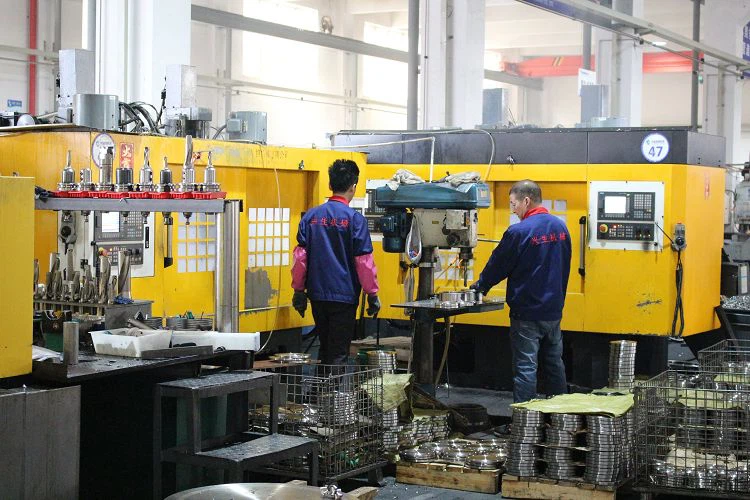
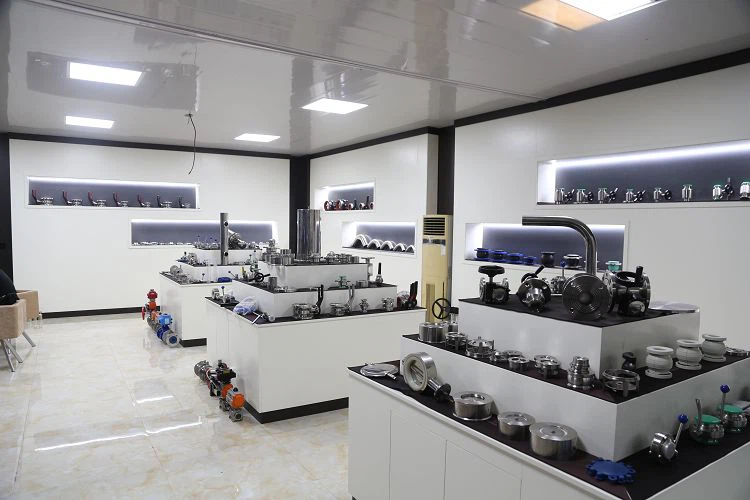
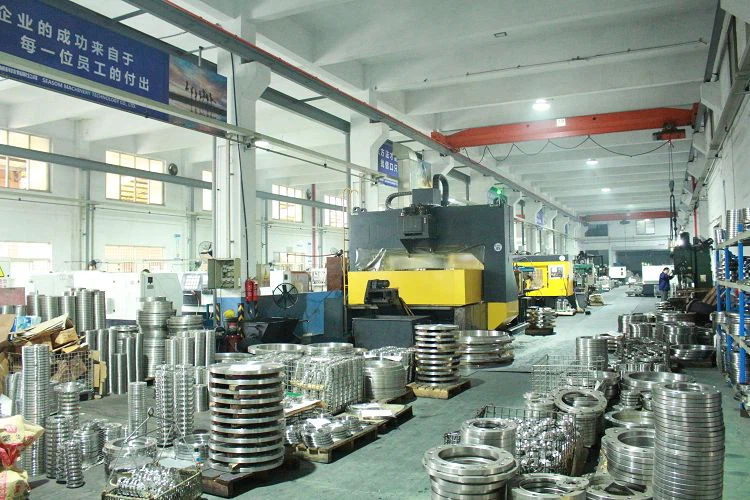
Our Factory

We have a complete factory production, quality supervision and delivery.

Our main product including all kinds of forged stainless steel flanges, Stainless steel valves, Stainless steel pipe fittings for both food grade and industrial application.

Xingsheng have more than 10 years export experience, Our main export market including: United states, South America, Australia, South east Asia and Europe. Base on our strict quality control system and quality products. We have export more and more products world wide.

Ultimate FAQ Guide to Sight Glass Manway

Q: What is a sight glass manway?

A: A sight glass manway is a type of viewing port that is installed in tanks, reactors, and other vessels. It allows users to observe the contents of the vessel without opening it, which can help to prevent contamination and ensure the safety of the process.

Q: What is a sight glass manway used for?

A: A sight glass manway is used to provide a clear view of the contents of a pressure vessel, such as a tank or reactor. This enables operators to monitor and control the process, inspect the interior of the vessel, and facilitate maintenance and troubleshooting.

Q: What are the different types of sight glass manways?

A: There are several different types of sight glass manways available on the market, including rectangular, circular, oval, and obround shapes. They can be made from a variety of materials, including glass, plastic, metal, and composite materials.

Q: What materials are sight glass manways made from?

A: Sight glass manways can be made from different materials depending on the requirements of the application. Common materials include borosilicate glass, tempered glass, polycarbonate, acrylic, stainless steel, and other metals.

Q: What are the benefits of using a sight glass manway?

A: Using a sight glass manway can provide several benefits, including improved process control, enhanced safety, reduced downtime, and easier maintenance and troubleshooting.

Q: What are the key features of a sight glass manway?

A: The key features of a sight glass manway include a transparent viewing port, a gasket or seal to maintain pressure and prevent leaks, and bolts or clamps to hold the cover in place.

Q: What industries commonly use sight glass manways?

A: Sight glass manways are commonly used in the chemical, pharmaceutical, food and beverage, and biotech industries, as well as in other applications where process observation is critical.

Q: What factors should be considered when choosing a sight glass manway?

A: When choosing a sight glass manway, it is important to consider factors such as the operating conditions, the size and shape of the vessel, the materials being handled, and the requirements for access and maintenance.

Q: How are sight glass manways installed?

A: Sight glass manways are typically installed by cutting a hole in the vessel and attaching the viewing port and cover using bolts or clamps. The installation should be performed by a qualified technician in accordance with industry standards and best practices.

Q: How are sight glass manways cleaned and maintained?

A: Sight glass manways should be cleaned and maintained regularly to ensure proper function and prevent contamination. The cleaning procedure will depend on the material of the viewing port and cover, but in general, it is important to avoid abrasive materials and harsh chemicals that can scratch or damage the surface.

Q: What is a sanitary sight glass manway?

A: A sanitary sight glass manway is a type of viewing port that is designed for use in hygienic applications, such as food and beverage processing. These manways are typically made from stainless steel or other materials that are easy to clean and sanitize, and they may include features such as polished surfaces and FDA-approved seals.

Q: What is a threaded sight glass manway?

A: A threaded sight glass manway is a type of viewing port that is installed using threaded connections instead of bolts or clamps. These manways are typically used in low-pressure applications.

Q: What is a side-mount sight glass manway?

A: A side-mount sight glass manway is a type of viewing port that is installed on the side of a vessel instead of the top. These manways are commonly used in applications where top access is restricted.

Q: What is a circular sight glass manway?

A: A circular sight glass manway is a type of viewing port that is shaped like a circle. These manways are commonly used in applications where a round or cylindrical vessel is being used.

Q: What is a rectangular sight glass manway?

A: A rectangular sight glass manway is a type of viewing port that is shaped like a rectangle. These manways are commonly used in applications where a square or rectangular vessel is being used.

Q: What is an obround sight glass manway?

A: An obround sight glass manway is a type of viewing port that is shaped like an oval or rectangle with rounded corners. These manways are commonly used in applications where the vessel is not a perfect circle or rectangle.

Q: How do I know which sight glass manway to choose?

A: Choosing the right sight glass manway will depend on a variety of factors, including the size and shape of the vessel, the materials being handled, the pressure and temperature requirements, and the application-specific requirements for access and maintenance. It is recommended to consult with a qualified engineer or distributor to determine the best solution for your needs.

Stay informed

Be the first to know about new drops, exclusive offers and flash sales. We won’t spam you, promise.

Subscription Form

Get For further information

Add: No.51 Wutong Road, Binhai Industry Zone, Longwan District, Wenzhou City, Zhejiang Province, 325025, China

Tel: +86-577-89690837

+8613375872366

Email: info@seasomtech.com

Website: https://www.seasomtech.com