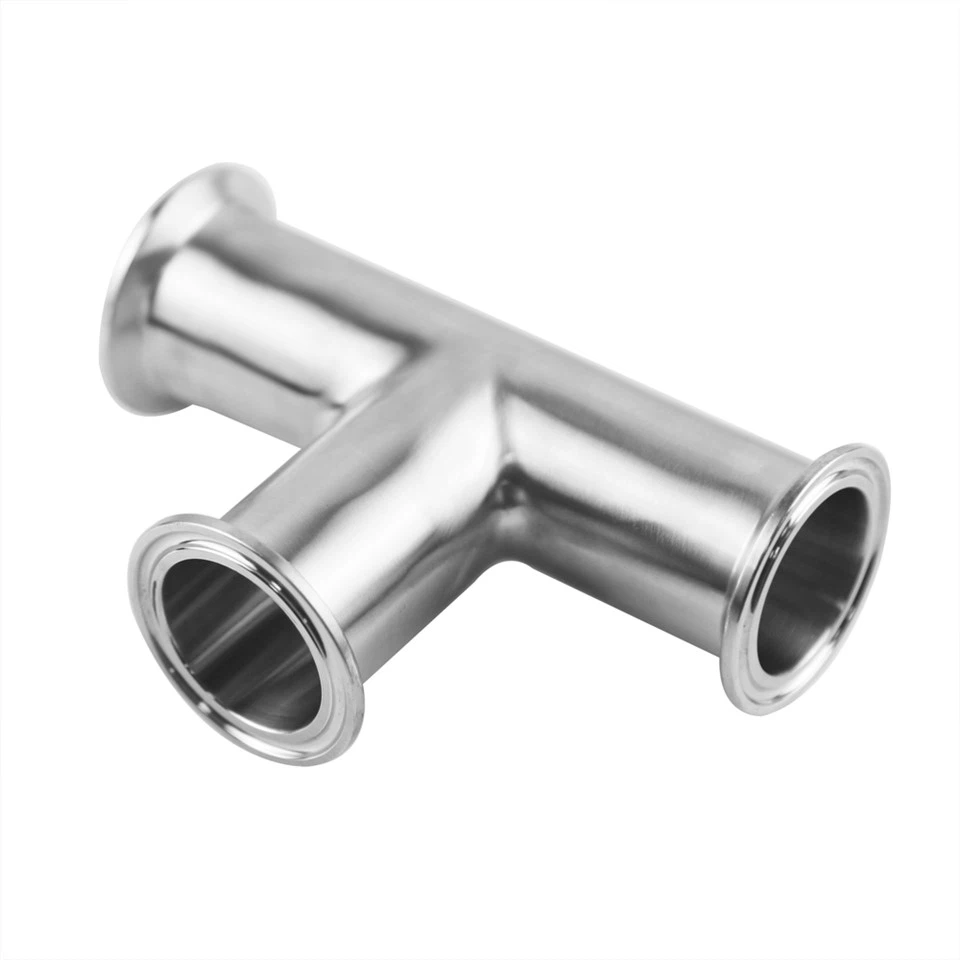
Sanitary pipe fittings are designed for hygienic fluid transfer, featuring smooth internal surfaces, corrosion resistance, easy cleaning, and leak-free connections for food, beverage, and pharmaceutical industries.
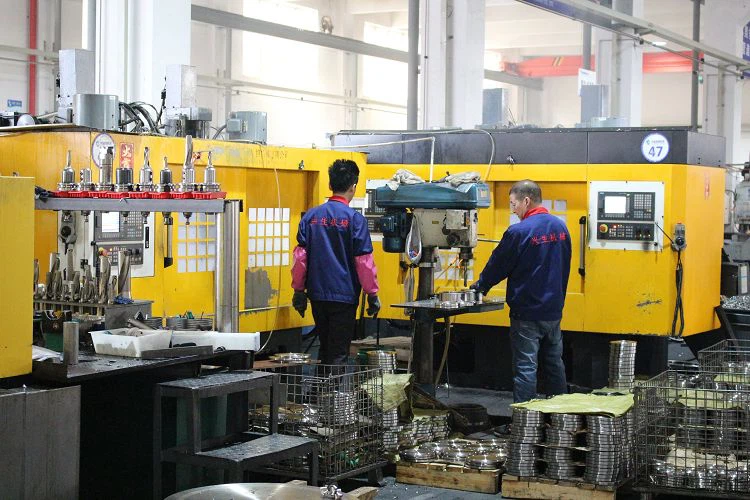
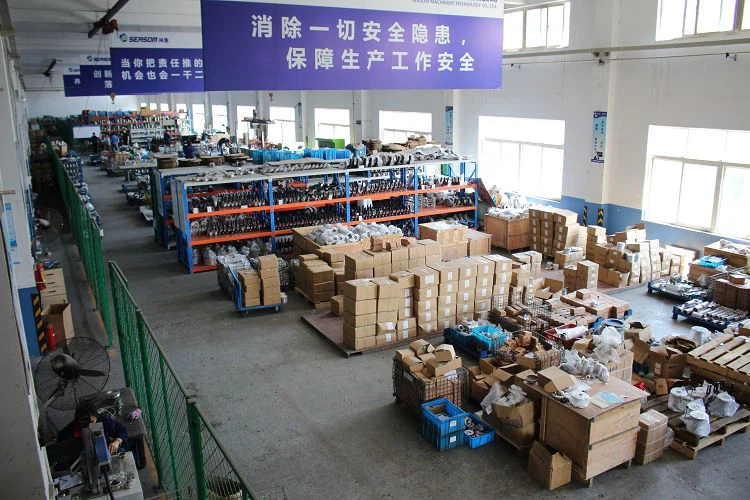
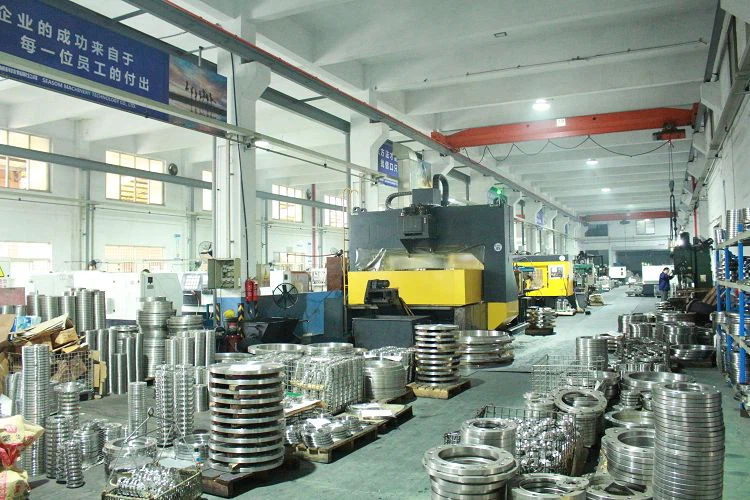
Xingsheng Mechanical Technology Co., Ltd is located in Wenzhou city, Southeast coast of China. It is established in the year 2005, with a registered capital of 50 million RMB. In the year 2022 Xingsheng has over 150 staff, 10000 square meters of workshop, and over 20 million (USD) annual turnover.
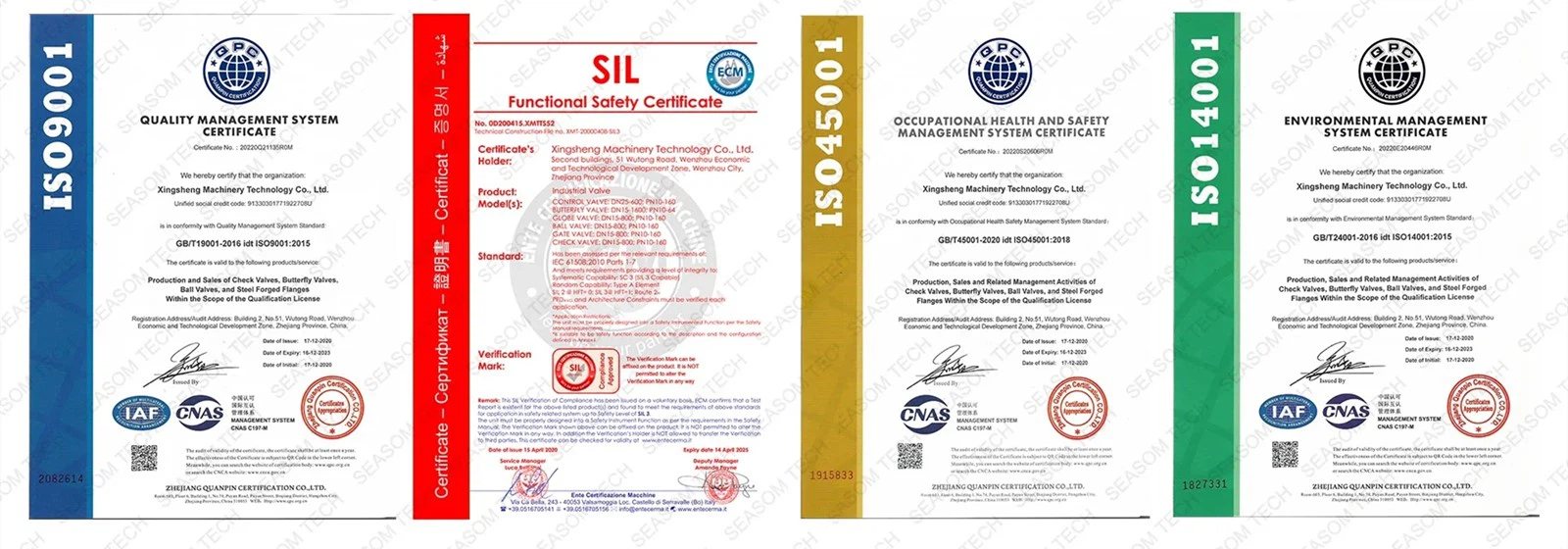
During continuous effort over the past 15 years, Xingsheng has acquired IS0:9001, ISO:14001, and ISO45001 certifications. And 3A certificate for food-grade pipe fitting in the year 2022.
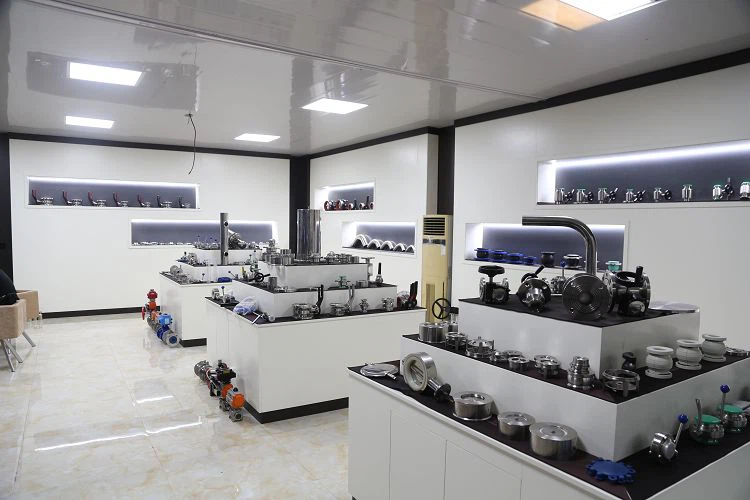
We have a variety of products. Our main product includes all kinds of forged stainless steel flanges, Stainless steel valves, and Stainless steel pipe fittings for both food-grade and industrial applications.
Xingsheng has more than 10 years of export experience, our main export markets include the United States, South America, Australia, Southeast Asia and Europe. Based on our strict quality control system and quality products. We have exported more and more products worldwide.
With Mature technology and good supporting services, dedicated to strict quality control and thoughtful customer service, our experienced staff members are always available to discuss your requirements and ensure full customer satisfaction. OEM and ODM service is welcomed!
Sanitary fittings are specialized plumbing components used in hygienic applications, such as those in the food, beverage, and pharmaceutical industries. They are designed to maintain cleanliness, prevent contamination and promote health and safety. These fittings include items such as valves, elbows, tees, clamps, and gaskets that are made of materials such as stainless steel or other non-porous materials. They are used to connect tubes and process equipment in a sanitary manner.
Manufacturers produce sanitary fittings with a number of ports on them to reduce the number of connections through which fluids must pass. This helps conserve space on equipment and reduces the time used to set up the equipment.
Because sanitary pipe fittings have multiple ports, they allow fluids to be routed through a single connection. This means that less piping needs to be installed, so there is less space required for machinery to house these components.
Because the components within the piping system are small and constructed from materials such as plastic or Teflon®, they can be quickly and thoroughly cleaned without damaging or degrading them.
There are a number of different standards that cover sanitary fittings, valves, and other components. These include USP 797 for medical tubing fittings and valves, ISO 8115 for vacuum interrupter valves, and ISO 10296, DIN EN 29053 for hose couplings in the food industry.
All manufacturers of sanitary pipe fittings carry out strict quality control to ensure that only components that pass their high standards are allowed to be sold.
Sanitary pipe fittings are available in various types designed to meet strict hygienic standards in food, beverage, dairy, and pharmaceutical industries. Common types include elbows, tees, reducers, clamps, ferrules, and unions, which help change flow direction, connect different pipe sizes, and allow quick assembly or disassembly. These fittings feature smooth, polished internal surfaces to prevent bacterial growth, ensure easy cleaning, and provide leak-free, contamination-free fluid transfer.
Flanges are a joining method used to connect pipes, valves, pumps, and other equipment in a processing plant. They are the second most common joining method after welding.
Flanges are popular due to the ability to dismantle them for ease of cleaning. They can be welded onto surfaces or screwed in place.
A flanged joint usually consists of flanges, gaskets, and bolts. The holes on the outside of the flanges are used for bolting them together. The middle of the flange can either be welded or threaded.
Gaskets such as those used in tri-clamp fittings are used to seal the mated flanges to make them leakproof.
Flanges can withstand high pressure hence their use in manufacturing but care has to be taken when installing them since most leaks and fire hazards happen at flange joints. Follow the manufacturer’s instructions to a T and use them only for the specifications they were intended.
Gaskets are ring-shaped seals used to leakproof flange joints and other mating surfaces. They’re designed to withstand different types of temperatures and pressures, and when properly fitted, they are excellent sealants.
A common mistake is to overly tighten flange joints and other mating surfaces that use gaskets. This has the effect of putting too much pressure on the gasket and consequently destroying it.
Gaskets used in brewing are normally made of rubber specially designed for food-grade processors such as nitrile and EPDM.
Our tri-clamp fixtures use gaskets for sealing which range in OD from ½” to 12”. Our Buna (Nitrile) and EPDM gaskets are ideal for brewing and are both FDA-approved.
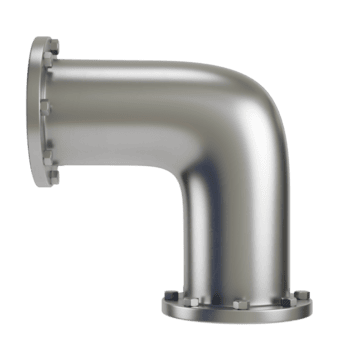
Elbows are fittings that are used to change the direction of a pipe by a 45° or 90° angle. As the name suggests, they look like elbows and make elbow-like joints on the connected pipes. Unlike elbows, their edges are tapered off to ensure that they can’t form pockets where bacteria and product residue can hide. This makes cleaning easier.
They’re made from different materials such as brass, PVC, stainless steel, copper, etc. Those used in brewing are made of stainless steel due to ease of cleaning and the fact that stainless steel is not easily corroded.
We have a range of elbows in both 90° and 45°. They can be butt-welded in place such as the 90° Butt-Weld Elbows (2WCL) and the Butt-Weld 90° Sweep Elbows. We also have some that use tri-clamp fittings such as the 45° Tri-Clamp Elbow (2KMP).
Unions are alternatives to flanges and are used in low-pressure smaller diameter piping systems to connect two pipes. They are easier to dismantle than flanges making them ideal for pipe connections that need constant disassembly for cleaning.
They consist of three parts namely a male end, a female end and a nut. They can be either threaded or socket welded. When male and female ends are connected they provide the required sealing making them leakproof.
We have some union products such as Union Hexagonal Nuts, Short Plain Bevel Seat Ferrules, and Long Plain Bevel Seat Ferrules.
Tees are a three-way fitting with a 90° branch in the middle. They’re used to collect or distribute fluid from a run pipe and are usually short pipes such as the Tri-Clamp Short outlet Tee (7MPS). They are connected to pipes through butt welding, using gaskets, or threading.
Tees come in three types:
Straight tee. The diameter of the branch pipe is usually the same as that of the run pipe.
Reducing tee. The branch pipe has a smaller diameter than that of the run pipe. The Tri-Clamp Short Reducing Tee (S7RMPS) is an example of this kind of tee.
Wye. A type of tee pipe that has a 45° branch off instead of 90°. A wye allows pipes to be connected at a 45° angle which is ideal for reducing friction and turbulence. We have two types of wyes namely the Tri-Clamp True Wyes (28BPM) and Sanitary Butt-Weld True “Y” (28W).
This is a four-way pipe fitting that comes in two types: One with an inlet and three outlets, the other with three inlets and one outlet.
It looks like a cross, as the name suggests.
The ends can either be socket welded or threaded for fitting to connecting pipes.
They are ideal for low-pressure and low-temperature environments such as pharmaceutical industries since their design already stresses the fitting and the connecting pipes.
Sanitary fittings are designed with smooth surfaces and minimal crevices to prevent the accumulation of bacteria, contaminants, and residue. This design ensures the highest levels of cleanliness and hygiene.
Sanitary fittings maintain the purity of fluids and products during processing, preventing contamination and preserving quality. They are particularly crucial in industries such as food and beverage, pharmaceuticals, and biotechnology.
The smooth surface finish of sanitary fittings allows for easy and efficient cleaning, sterilization, and maintenance. This reduces downtime and ensures the continuity of operations.
Sanitary fittings, such as tri-clamp connections, provide secure and leak-free joints. This prevents product leakage, ensures process efficiency, and maintains a sterile environment.
Sanitary fittings are available in various materials that are compatible with different fluids and chemicals. Common materials include stainless steel (304 or 316L), brass, plastic, and alloys. This allows for compatibility with the specific requirements of each process.
Sanitary fittings are designed to withstand high-temperature and high-pressure applications. They are capable of handling the demands of rigorous processing conditions without compromising safety or performance.
Sanitary fittings are manufactured to comply with industry standards and regulations, such as ASME BPE (BioProcessing Equipment), 3A Sanitary Standards, and EHEDG (European Hygienic Engineering & Design Group) guidelines. This ensures that the fittings meet the necessary sanitary requirements.
Sanitary fittings come in a wide variety of types, allowing for the construction of complex piping systems. Elbows, tees, reducers, valves, clamps, and more are available, offering flexibility and adaptability to different process needs.
Sanitary fittings are built to be durable and long-lasting. They can withstand frequent cleaning, sterilization, and chemical exposure while maintaining their performance and structural integrity.
The hygienic design and features of sanitary fittings reduce the risk of contamination and cross-contamination within a process. This is particularly important for industries where product safety and consumer health are paramount concerns.
Sanitary fittings often come with traceability documentation, providing information about their origin and materials used. This allows for quality control, as well as compliance with regulations and standards.
Sanitary pipe fittings are widely used in industries that require high levels of hygiene and cleanliness, such as food and beverage processing, dairy production, brewing, cosmetics, and pharmaceutical manufacturing. They are designed to safely transfer liquids, gases, and semi-solids while preventing contamination. These fittings support clean-in-place (CIP) and sterilize-in-place (SIP) systems, ensuring efficient cleaning, safe operation, and consistent product quality in hygienic production environments.
Sanitary fittings are primarily used to connect sanitary pipes together, providing a safe, leak-free connection while maintaining sanitary conditions.
Sanitary fittings for pipe connections include:
(1)Clamp accessories
(2)Butt welding accessories
(3)Threaded accessories
Plumbing fittings often feature quick-connect or clamp designs that allow for easy assembly and disassembly of ductwork.
This facilitates maintenance, cleaning and sterilization processes, which is crucial in industries with strict hygiene requirements.
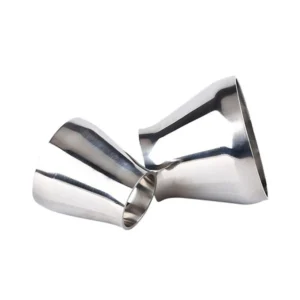
Plumbing fittings are used to create smooth transitions between different pipe sizes or connection types.
For example, use reducers and expanders to transition between pipes of different diameters or connect pipes with different end connections to ensure smooth and sanitary flow paths.
Plumbing fittings can create branching or diverted fluid flows in a ductwork system.
Tees and crosses are often used to divert or redirect flow to different process lines or equipment while maintaining sanitary conditions.
Sanitary fittings are used to connect pipes to various equipment and components in sanitary processing systems.
This includes connections to tanks, vessels, pumps, valves, filters, heat exchangers and other process equipment. Fittings ensure a tight and hygienic connection between pipes and equipment.
Sanitary ware is an integral part of a clean-in-place system and is commonly used in the sanitary industry.
Sanitary accessories connect CIP spray balls, CIP nozzles and other cleaning equipment to ensure thorough and efficient cleaning of internal system surfaces.
Sanitary pipe fittings are widely used in industries that require high levels of hygiene and cleanliness, such as food and beverage processing, dairy production, brewing, cosmetics, and pharmaceutical manufacturing. They are designed to safely transfer liquids, gases, and semi-solids while preventing contamination. These fittings support clean-in-place (CIP) and sterilize-in-place (SIP) systems, ensuring efficient cleaning, safe operation, and consistent product quality in hygienic production environments.
The finish of a sanitary pipe fitting is essential because the degree of finish required by application varies across industries. When choosing stainless steel sanitary fittings, the grade of steel used can produce the correct finish needed for the industry. Stainless steel is the most common material used. Depending on the application, specific grades of stainless steel should be used. For example, 316 stainless steel has better resistance to high temperature because the molybdenum in the steel can dampen the influence of elevated temperatures; when the application involves food, 316 or 304 stainless steel are more available as these grades are resistant to damage caused by acidic foods and cleaners. Besides, 316 and 304 steel have a smoother finish and are easier to keep clean.
Liquids can corrode fittings, resulting in damage to manufacturing equipment or loss and damage to the product. Both scenarios are costly. Choosing the proper stainless steel sanitary fittings will reduce or eliminate corrosion concerns.
The degree of complication when fastening a stainless steel sanitary fitting should be a consideration when choosing a sanitary pipe fitting. Are tools required when securing the connections? Will additional hardware be needed? Will maintenance be a concern?
In fast-paced environments, hoses, tubes, or piping are commonly required to be disconnected or reconnected multiple times throughout the manufacturing process. When choosing sanitary pipe fittings, the handiness of connection should be a point of focus. Using stainless steel sanitary fittings that are easy to disconnect and reconnect is important.
Inspection: Before installation, it is essential to check for any burrs, scratches, or any other defects that could result in the contamination of the processing system.
Lubrication: Another essential check is to apply food-grade lubrication to the gaskets and sealant surfaces to ensure that they are airtight and can prevent any leak in the system.
Insertion: After making sure of any defects and ensuring proper lubrication, the fittings must be inserted into appropriate ports.
Tightening: With appropriate tools like the torque wrench, ensure the fittings are tight with the right amount of pressure.
Testing: Testing is the final step to ensure sanitary fittings stay intact. In case of any leaks, retighten the fittings or replace the gaskets if need be.
Proper maintenance of sanitary fittings is imminent when it comes to the durability and longevity of the parts. There are a few tips from experts that can help avoid any issues. Regular inspection is an obvious tip when it comes to mechanical parts of any kind. If any defects are found in the inspection, the fittings need to be replaced immediately.
Clean the fittings properly using soft brushes and food-grade cleaners. Apply an appropriate amount of food-grade lubrication to ensure the sanitary fittings remain airtight and leakproof. And one of the most important tips is never to use stainless steel sanitary fittings for inappropriate systems as it can pose a risk for cross-contamination.
We have a complete factory production, quality supervision and delivery.
Our main product including all kinds of forged stainless steel flanges, Stainless steel valves, Stainless steel pipe fittings for both food grade and industrial application.
Xingsheng have more than 10 years export experience, Our main export market including: United states, South America, Australia, South east Asia and Europe. Base on our strict quality control system and quality products. We have export more and more products world wide.
A: A sanitary pipe fitting is a specialized component used in industries that require hygienic and sterile processes. It is designed to connect pipes and equipment in a way that maintains cleanliness and prevents contamination.
A: Common industries that use sanitary pipe fittings include food and beverage, pharmaceuticals, biotechnology, cosmetics, dairy, and brewing.
A: Some main types of sanitary pipe fittings include elbows, tees, reducers, crosses, clamps, gaskets, ferrules, sight glasses, valves, and filters.
A: Sanitary pipe fittings are typically made of materials such as stainless steel (304 or 316L), plastic (PVC or PVDF), alloys (such as Hastelloy or Inconel), and brass.
A: Stainless steel sanitary pipe fittings offer advantages such as corrosion resistance, durability, easy maintenance, and compatibility with a wide range of fluids and cleaning agents.
A: A tri-clamp connection is a widely used connection method in sanitary pipe fittings. It provides a secure, leak-free joint while allowing for easy disassembly and cleaning.
A: Sanitary pipe fittings have smooth, crevice-free surfaces, minimizing the risk of bacterial growth and accumulation of contaminants. They also have a hygienic design that simplifies cleaning and sterilization.
A: Yes, sanitary pipe fittings are available in a wide range of sizes, allowing compatibility with various pipe sizes commonly used in hygienic industries.
A: The temperature and pressure ratings of sanitary pipe fittings vary depending on the material, type, and design. It is crucial to select fittings that can withstand the specific process requirements.
A: Yes, there are sanitary pipe fittings designed to handle high-pressure applications. These fittings are manufactured with materials and designs that ensure their integrity and safety under high-pressure conditions.
A: Sanitary pipe fittings are designed specifically for industries that require hygienic and sterile processes, while industrial pipe fittings are more commonly used in non-sanitary applications.
A: Standards and certifications such as ASME BPE (BioProcessing Equipment), 3A Sanitary Standards, EHEDG (European Hygienic Engineering & Design Group), and FDA regulations govern the manufacturing and use of sanitary pipe fittings.
A: Gaskets are used in sanitary pipe fittings to create a seal between two connected components, preventing fluid or gas leakage at the joint.
A: Sanitary pipe fittings help maintain product safety by preventing contamination, minimizing the risk of bacterial growth, and ensuring the integrity and purity of the process.
A: Yes, sanitary pipe fittings are designed for easy disassembly, allowing for straightforward cleaning, maintenance, and inspection.
A: Sanitary pipe fittings can be certified by organizations such as 3A, FDA, and EHEDG to ensure they meet specific hygienic and quality standards.
A: A sanitary tee is a type of fitting used to connect three pipes or tubes together in a piping system. It is designed to be easy to clean and disassemble.
Be the first to know about new drops, exclusive offers and flash sales. We won’t spam you, promise.
Get For further information
Add: No.51 Wutong Road, Binhai Industry Zone, Longwan District, Wenzhou City, Zhejiang Province, 325025, China
Tel: +86-577-89690837
+8613375872366
Email: info@seasomtech.com
Website: https://www.seasomtech.com